Best China Wildlife Photography Trip in Qinghai: Snow Leopards, Birds & Expert Guides
Discover the ultimate Qinghai wildlife photography tour across the Tibetan Plateau. Photograph snow leopards, Pallas's cats, Tibetan foxes, wild yaks, and black-necked cranes with expert local guides. Experience ethical wildlife encounters, prime shooting locations, and the best seasonal opportunities for unforgettable nature photography.
Wildlife photography is also a type of photography that records the living conditions of wild animals in their natural habitats. In addition to photographic skills, wildlife photographers need some wilderness survival skills. For example, some animals and birds are difficult to approach, so understanding their habits is necessary to predict their behavior. Photographing certain species may require tracking skills, or the use of hiding places and cover for camouflage.
While basic equipment can be used to photograph wildlife, professional gear is required to successfully capture certain types of wildlife, such as macro lenses for insects, telephoto lenses for birds, and underwater cameras for marine life.
Which route is the best?
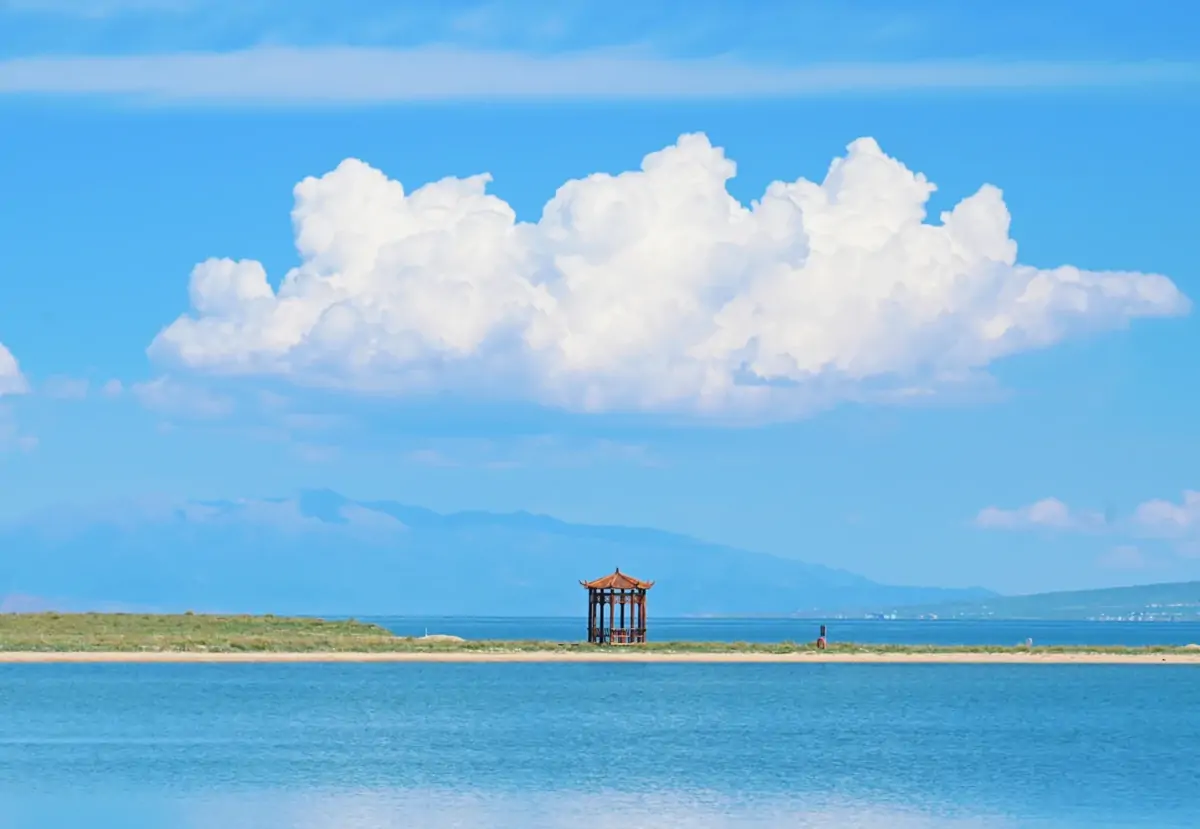
Route 1: Qinghai Lake Ring Lake Newcomer-Friendly Route (3 days, ideal for beginners)
This route starts in Xining.
Day 1 Xining → Yumu Mountain → West Bank of Qinghai Lake (Huanhu West Road)
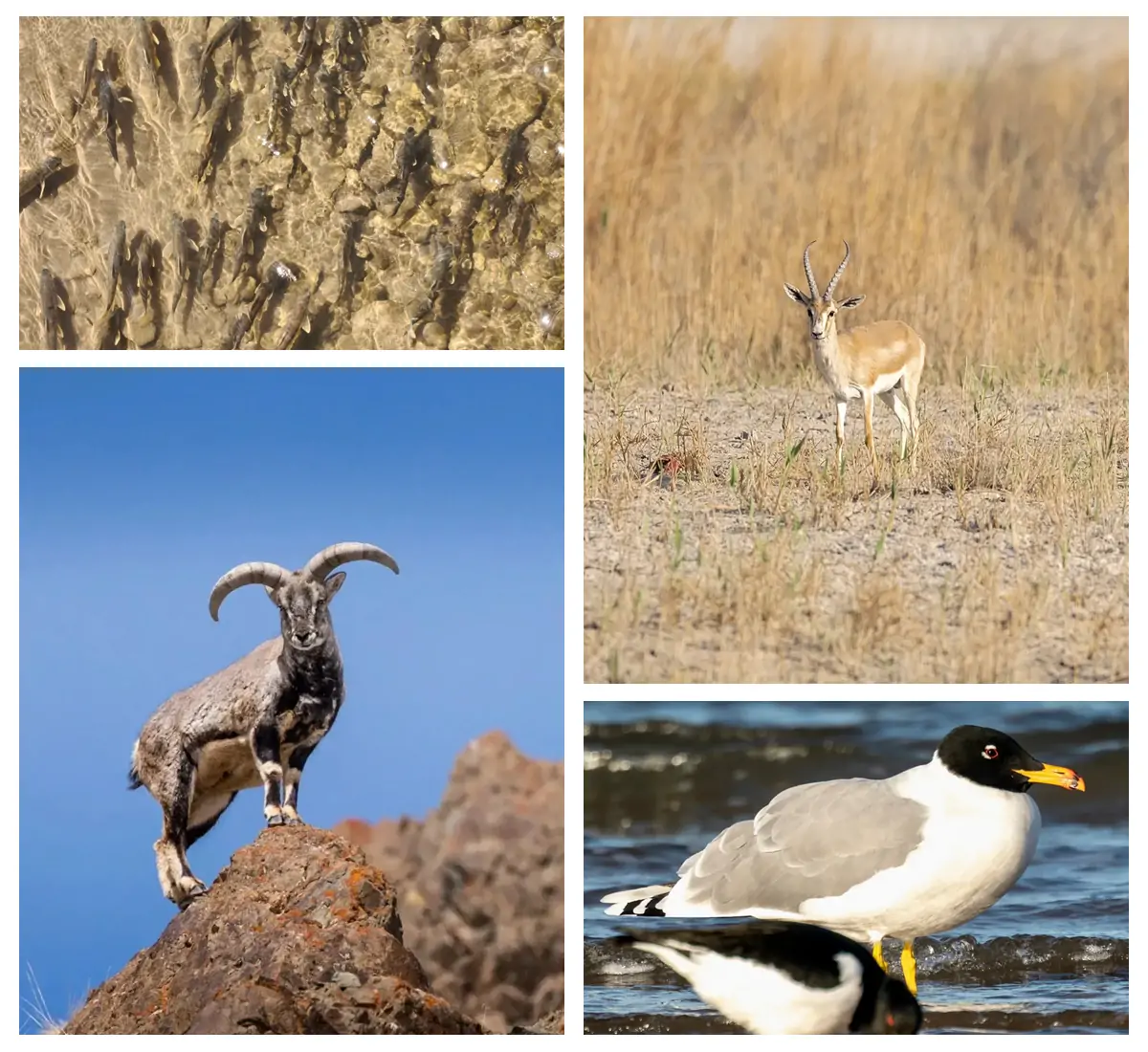
Shooting: Przewalski's gazelle,fish migration (June-August), swans, gulls, black-necked cranes. The Przewalski's gazelle base in Gangcha Halagai Town offers stable shooting positions.
Day 2 Gangcha → Fairy Bay → Surroundings of Tea Card Salt Lake
Shooting: Tibetan gazelles and goitered gazelles by the lake, raptors of the grassland, rock sheep.
Day 3 Tea Card → Heimaha River → Xining
Best shooting time slots: 7:00-9:00 AM and 5:30-7:30 PM in the evening; optimal shooting period is May-September.
Advantages: Moderate altitude, excellent road conditions, no risk of altitude sickness, suitable for long-focus beginners. Both scenery and wildlife can be captured simultaneously.
Route 2: G109 Kunlun Mountain National Highway Classic Line (1-3 days)
Starting Point:Geermu (Registration is required via the Qinghai Traffic Police official account before departure)
1-Day Highlights (Round-trip on the same day)
Geermu → Nache Tai Kunlun Hot Spring → Wuji Longfeng Palace → Kunlun Mountain Pass (4,768m) → Sonam Dajie Protection Station → Chumar River Bridge (Core Area of Tibetan Antelope Migration) → Return to Geermu
2-3 Day In-depth Tour
Based on the 1-day tour, add: Budongquan Protection Station → Wudaoliang → Fenghuoshan → Tuotuo River (Source of the Yangtze River)
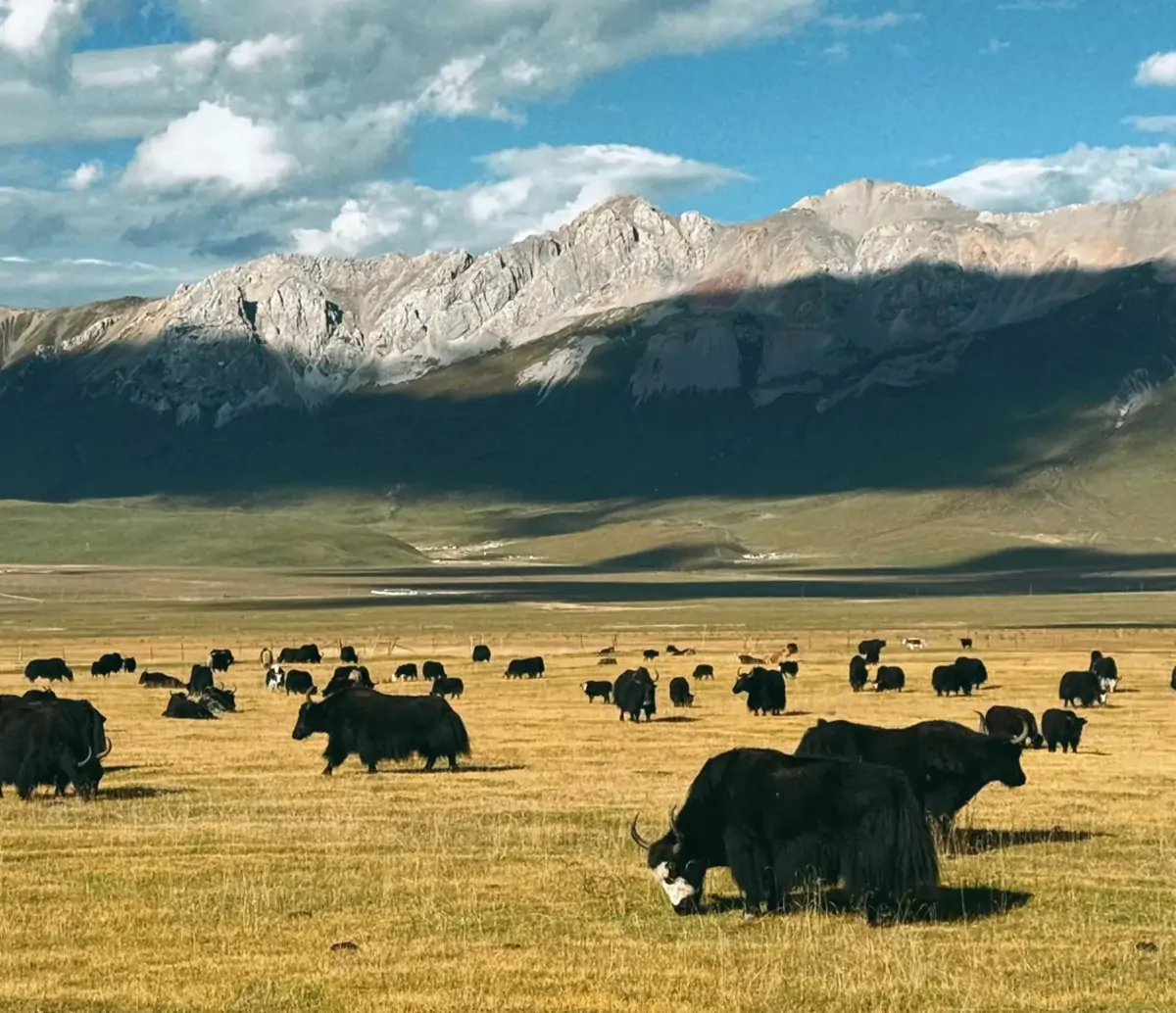
Main Photography Subjects: Tibetan Antelopes, Tibetan Wild Asses, Wild Yaks, Tibetan Gazelles, Tibetan Foxes, Plateau Wolves, Himalayan Vultures
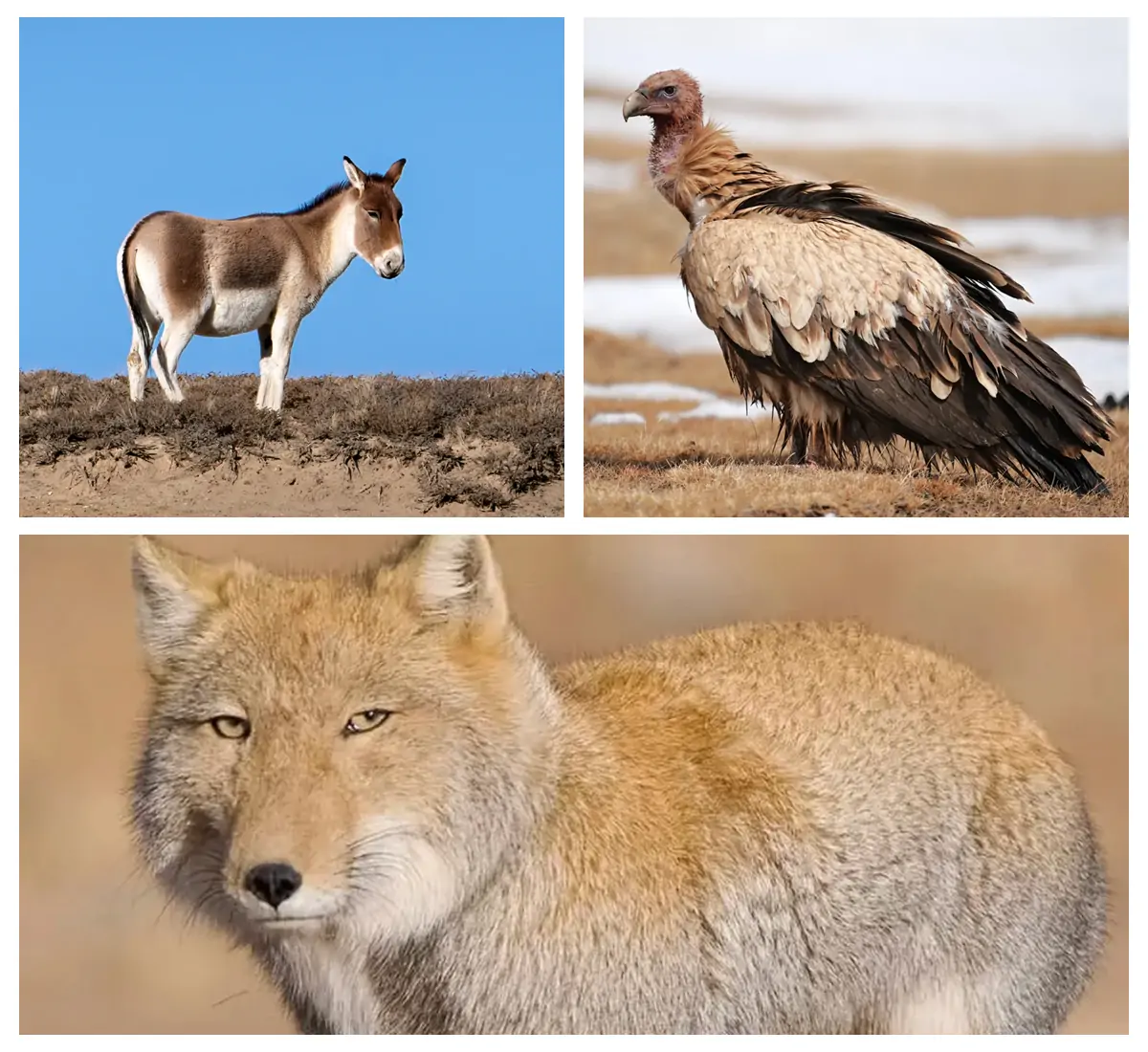
Core Photography Spots: Chumar River Bridge (June-August, calving and migration season), Mouse Hamster Areas around Sonam Dajie (High-frequency area for Tibetan Fox sightings)
Precautions: Strictly prohibit leaving the road base,crossing uninhabited areas without permission. Parking is only allowed at scenic spots along the national highway. Maintain a distance of over 100 meters from animals. Use of flash is prohibited.
Route Three: Sanjiangyuan Yellow River Source Mado Mystical Land Route (4 days, Lakes + Plateau Wildlife)
Route: Xining → Gonghe → Ma'uo County → Starry Sea on National Highway G214 → Bayankala Mountain Pass → Hua Shijia → Dongge Cuo Lake → Doma Expressway Guoli Township → Return
Photography Species: Tibetan Fox, Pallas's Cat, Black-necked Crane, Rocky Mountain Goat, Himalayan Musk Deer, Tibetan Antelope, Lammergeier
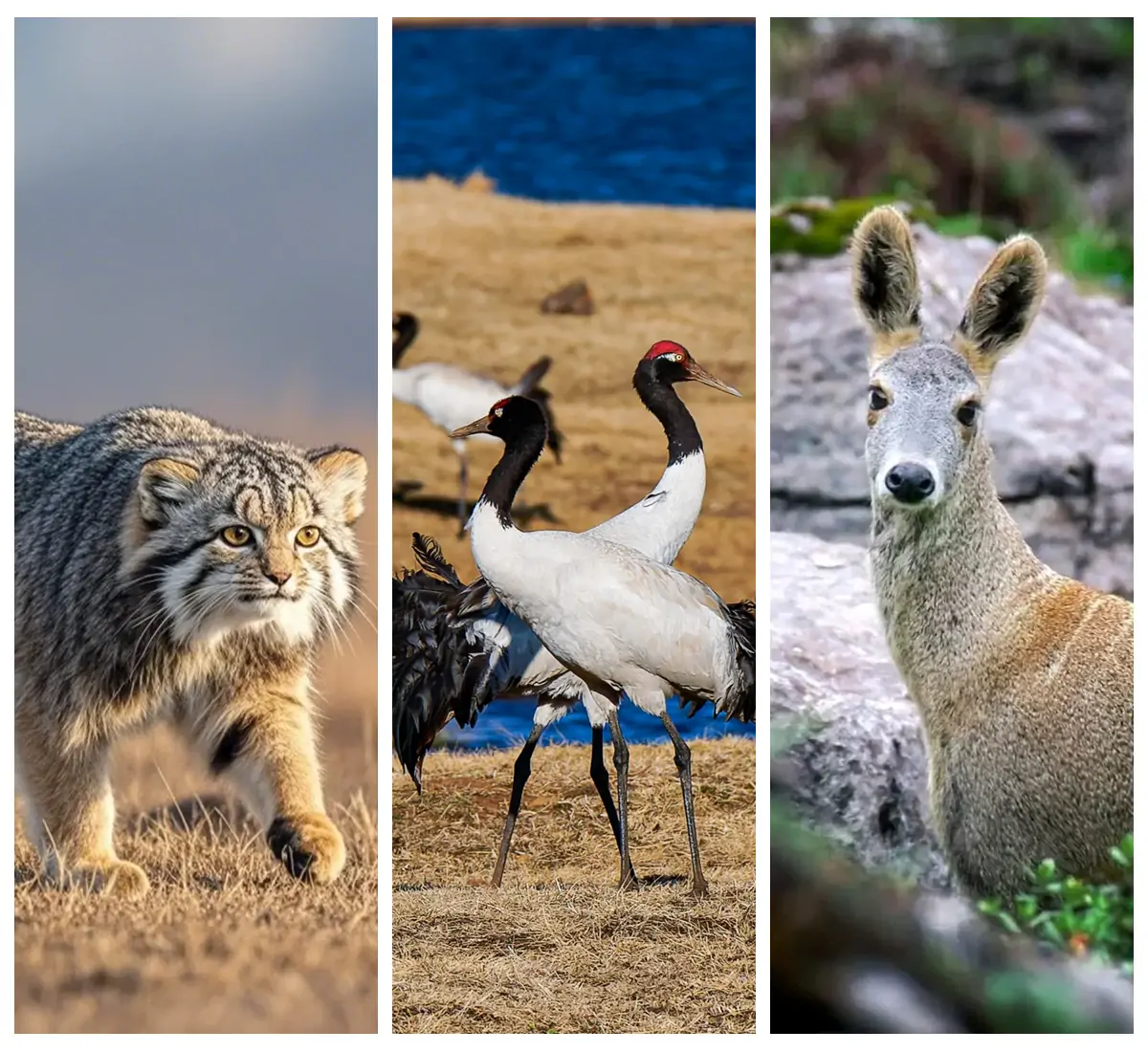
Highlights: The Thousand-Lake Wetland of Starry Sea, with morning mist over the lake paired with wildlife, offering excellent aerial photography opportunities; Guoli Township is a renowned observation area in Qinghai for Snow Leopards, Lynx, and Pallas's Cats.
Road Conditions: Vehicles can travel around county towns; vehicles are recommended for deeper access to lakesides. Some wetlands require prior registration.
Route Four: Dulan Gou Snow Leopard Special Photography Tour (6 days, Hardcore Cat Photography)
Dulan County → Gouli Township → Surrounding Valley Protection Station
One of the domestic routes with the highest snow leopard sighting rate. It can reliably capture: snow leopards, lynx, pallas's cats, Tibetan foxes, red foxes, wolves, argali sheep, bharal, and sika deer.
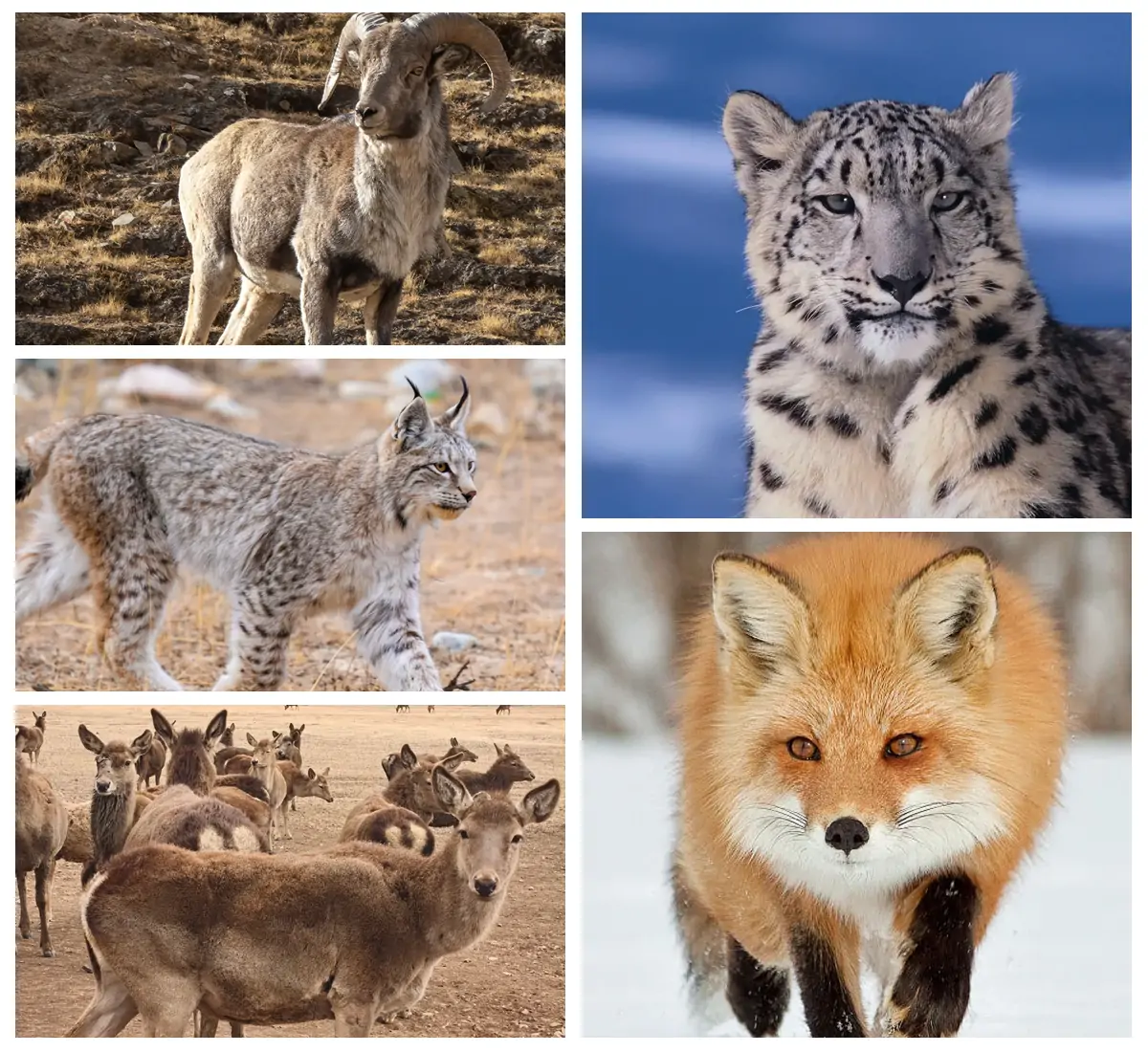
Shooting Method: Relying on local protection station guides and based on herders' mountain patrol records,fixed-point waiting is conducted. Most shooting is done in the early morning, dusk, and at night using infrared long-focus lenses. The best season is November to next March (winter snow ensures high snow leopard hunting activity).
Shooting Requirements: 4x4 off-road vehicle, long-focus lens of 600mm or more, warm clothing, and advance coordination with the protection station to obtain shooting permits.
Route 5: Qingnan Grand Loop 8-Day Full-Range Wildlife Watching (Highly Recommended for Complete Animal Photography)
Xining → Qinghai Lake (Przewalski's Gazelle) → chaka Salt Lake (Goitered Gazelle) → Golmud → G109 Qinghai-Tibet Plateau (Tibetan Antelope, Wild Yaks) → Qumalai (Eastern Edge of Kekexili on G215 National Highway) → Mado Star Sea → Yushu Longbao Beach (Black-necked Crane Nature Reserve) → Dulan Guoli (Snow Leopard and Three Cats) → Xining
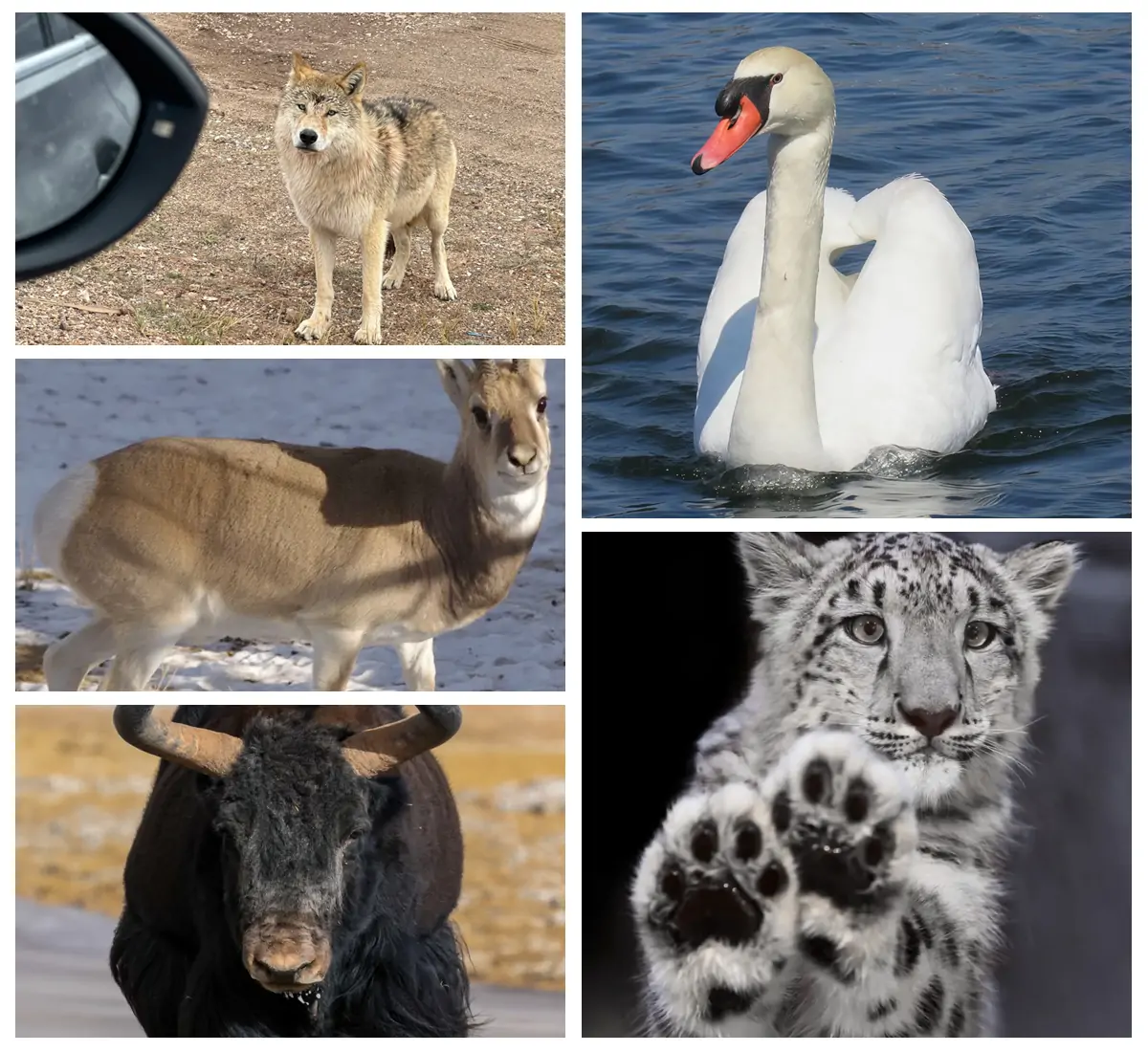
Route Coverage: Lake Plain Mammals, Kekexili Desert Flagship Species, Sanjiangyuan Wetland Waterfowl, Kunlun Mountain Felid Predators. Ideal for long-distance photography and cultural exploration.
Essential Photography Tips
1. Lenses: Mainly use a 400-800mm telephoto lens; a 24-70mm lens is suitable for capturing environmental landscapes.
2. Timing: Animals on high plateaus are active during dawn and dusk, and rarely appear at noon.
3. Compliance Guidelines: Do not honk, chase, or feed animals; do not approach breeding grounds; keep drones away from animal habitats.
The Best Photography Season
November to March of each year is the optimal time for wildlife photography in Qinghai, especially for capturing high-altitude mammals such as snow leopards, Tibetan foxes, and argali sheep. With sparse vegetation in winter, animal activity is more frequent, making them easier to observe. The soft light and snow-covered landscapes create ideal photographic conditions.
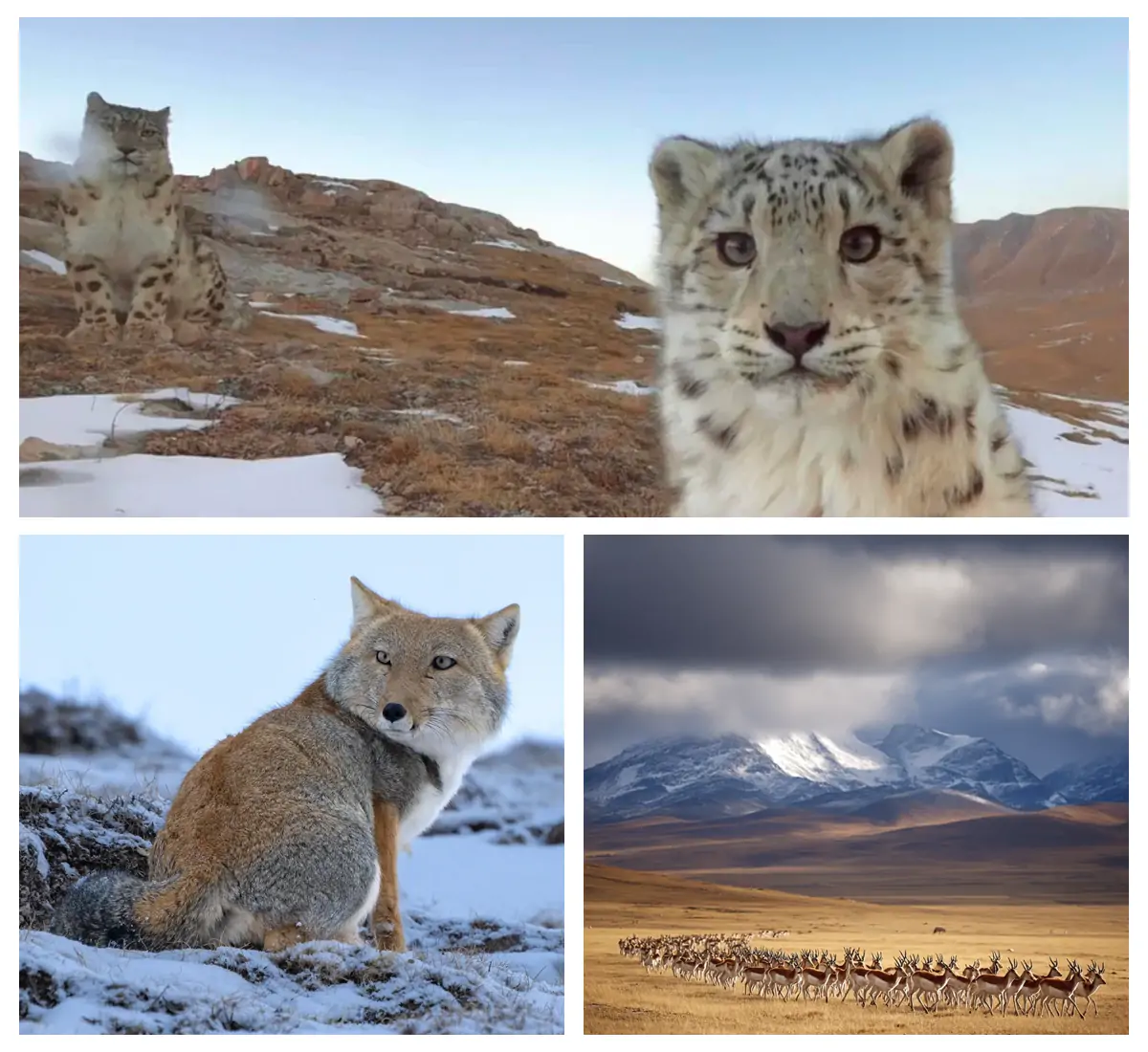
June to August:The best time for visitors, featuring the migration of Tibetan antelopes in Qiangtang, the spawning run of fish , and lush grasslands.
September to October: Crisp autumn weather with clear light, ideal for spotting Tibetan foxes and wolf packs.
November to March: Winter brings lower snow lines, making it the prime period for observing snow leopards and pallas's cats. Extreme cold requires thorough warmth protection.
Private Wildlife Photography Tours
Every wildlife photographer has different goals. Some dream of capturing snow leopards, while others focus on Tibetan foxes, black-necked cranes, or the breathtaking mountain landscapes of the Qinghai-Tibet Plateau. Therefore, we offer fully customized wildlife photography tours tailored to your interests, schedule, and photographic style.
Whether you're traveling alone, with a partner, or as part of a photography club, we can customize every aspect of your journey, including destinations, trip duration, accommodation standards, vehicle arrangements, and time spent in key wildlife habitats. Flexible itineraries provide more opportunities to adapt to weather changes and wildlife activity, helping you maximize the chances of capturing outstanding photographs.
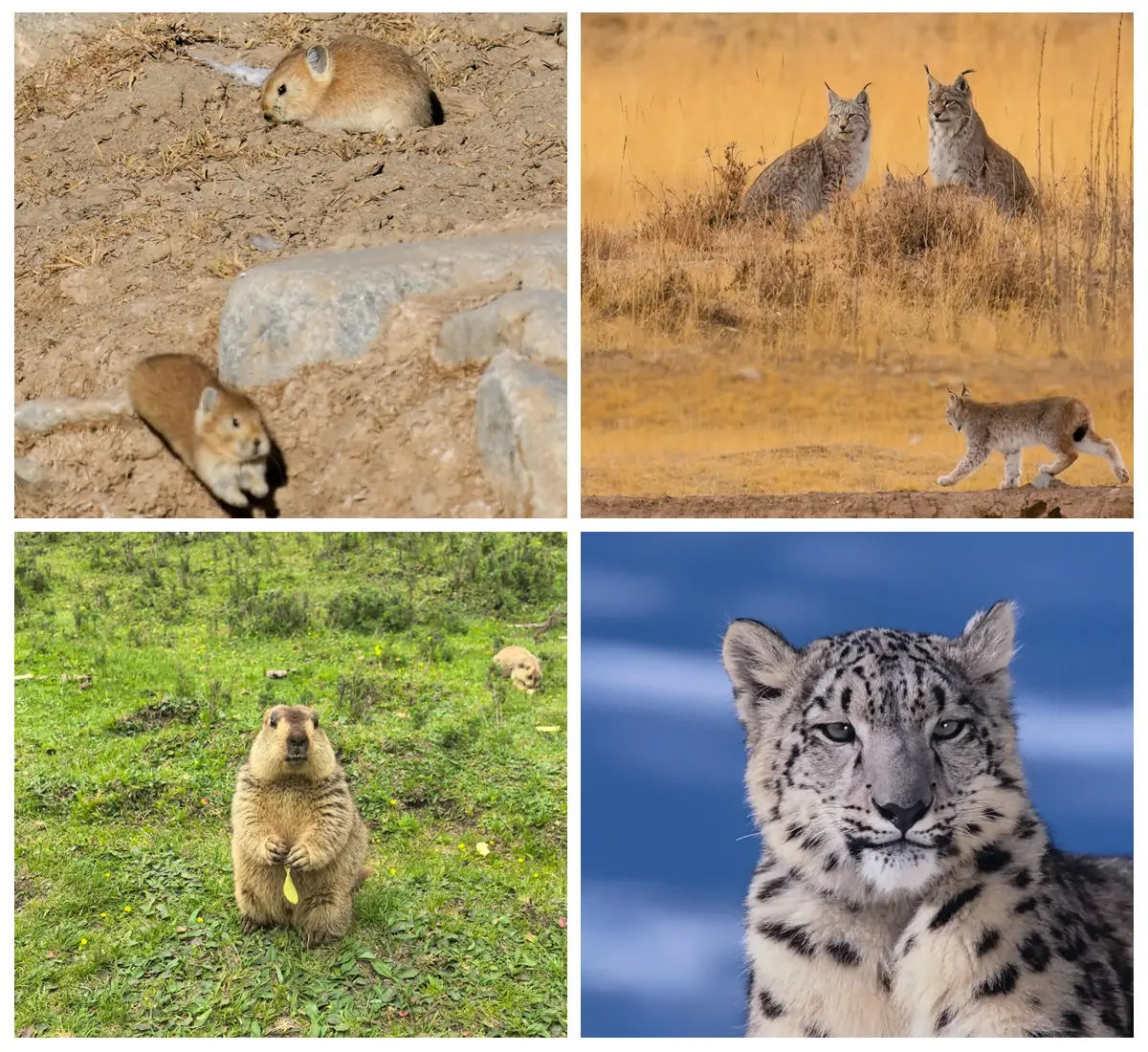
Custom options include:
Snow leopard-themed expeditions
bird photography tours
English-fluent local wildlife guides
airport transfers and all ground transportation
flexible daily itineraries based on wildlife activity and weather.
Email: [email protected] WhatsApp:+86 15347723823 , ++86 15347723823
wildlife photography tour in Qinghai safe?
Wildlife photography tours in Qinghai organized by professional agencies are generally safe for international tourists. Wildlife photography is conducted at appropriate observation distances, and local experienced guides are familiar with animal behavior, terrain, and weather conditions. The animals being photographed are wild, so guides always adhere to ethical bird-watching practices to avoid disturbing them.
The main challenge is the high altitude, with many photography spots ranging from approximately 3,000 to over 4,500 meters (9,800–14,800 feet). Most tourists adapt well by spending time acclimatizing, staying well-hydrated, and avoiding strenuous activities in the first few days.
To ensure a safe and comfortable journey, we recommend:
1. Allocating at least one day for high-altitude acclimatization
2. Wearing layered clothing as temperatures change rapidly
3. Using sunscreen and UV-protective sunglasses due to intense highland sunlight
4. Following the guide's instructions when photographing wildlife
How to travel to Qinghai for a wildlife photography tour
Xining, the capital of Qinghai Province, is the main gateway for wildlife photography tours. Most international travelers first arrive at major Chinese cities such as Beijing, Shanghai, Guangzhou, Chengdu, or Xi'an, then take domestic flights or high-speed trains to Xining.
For overseas tourists, the most convenient route is: International flight → China → Xining → Wildlife photography destination. After arriving in Xining, professional wildlife photography tours typically continue by private four-wheel drive vehicles, as many of Qinghai's best wildlife habitats are located in remote plateau areas with limited public transportation.
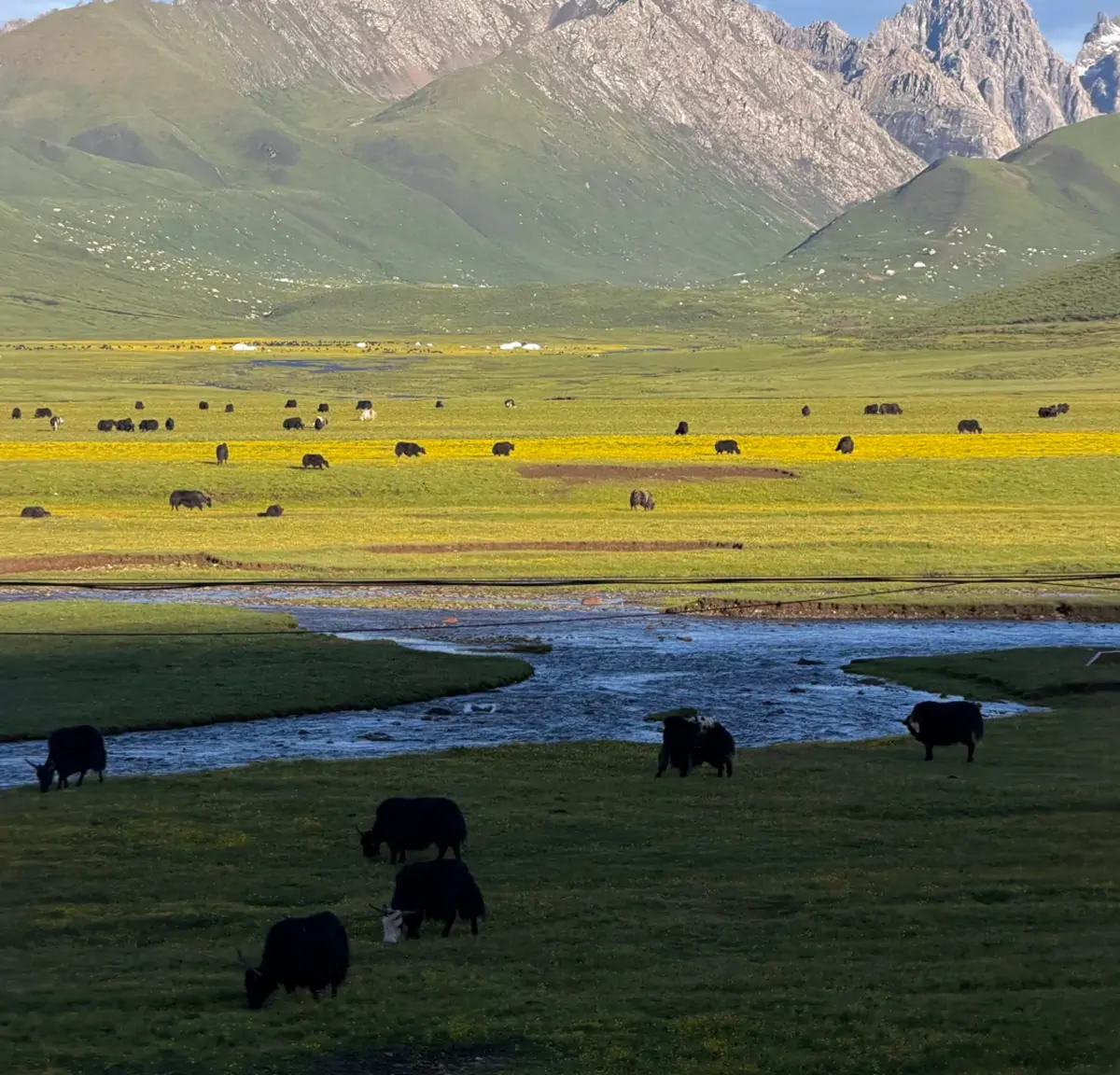
Qinghai offers world-class wildlife photography experiences, from elusive snow leopards and Tibetan foxes to magnificent birds and breathtaking mountain landscapes. Whether you prefer private tours or small group trips, customized itineraries can help you make the most of every photography opportunity. Start planning your unforgettable Qinghai wildlife photography journey today.
FAQ
wildlife can be photographed in Qinghai?
Qinghai is home to various plateau species such as snow leopards, Tibetan foxes, Tibetan antelopes, wild yaks, blue sheep, black-necked cranes, and bar-headed geese, making it one of China's top destinations for wildlife photography.
When is the best time for wildlife photography in Qinghai?
The optimal season for snow leopards and other mammals is from November to March of the following year, while April to October is ideal for bird photography, migration, and vibrant alpine landscapes.
Is Qinghai suitable for beginner wildlife photographers?
Both beginners and experienced photographers can enjoy a great experience in Qinghai. Professional guides will help locate wildlife, recommend camera settings, and select the best photography spots based on weather and animal activity.
How difficult are wildlife photography trips?
Most trips involve driving between photography locations with short walks. As many areas exceed 3,000 meters in altitude, basic fitness and time to acclimatize to high altitudes are recommended.
What camera equipment should be brought?
A DSLR or mirrorless camera with a 400-600mm telephoto lens is an ideal choice. Additionally, a sturdy tripod, extra batteries, memory cards, and rain protection gear suitable for plateau conditions are recommended.
Can private wildlife photography trips be booked?
Yes. Private trips can be customized according to your preferred wildlife species, travel dates, photography goals, accommodation preferences, and desired pace of the itinerary for a more flexible experience.
What are the chances of photographing a snow leopard?
The presence of snow leopards depends on the season, weather, and wildlife activity. Winter expeditions with experienced local guides typically offer the most successful opportunities for observation and photography.
How far in advance should photography trips be booked?
It is advisable to book 3 to 6 months in advance, especially during the winter snow leopard season, to ensure availability of experienced guides, accommodations, transportation, and your preferred travel dates.