Best Time to Visit Qinghai Lake: Weather, Seasons & Travel Guide
Discover Qinghai Lake, China's largest inland saltwater lake, known for breathtaking alpine scenery, seasonal wildflowers, birdwatching, cycling, and unforgettable road trips. Explore the best travel seasons, attractions, routes, and practical visitor tips for an exceptional journey.
Qinghai Lake, located in the northeastern part of the Qinghai-Tibet Plateau, spans across Haiyan, Gangca, and Gonghe counties in Hainan Tibetan Autonomous Prefecture and Haibei Tibetan Autonomous Prefecture. It is China's largest lake. The Qinghai Lake region has a typical plateau continental climate, characterized by abundant sunshine, intense sunlight, long cold seasons, and short warm seasons. As a result, winters are relatively cold and summers are cool. In addition, there is a significant temperature difference between day and night.
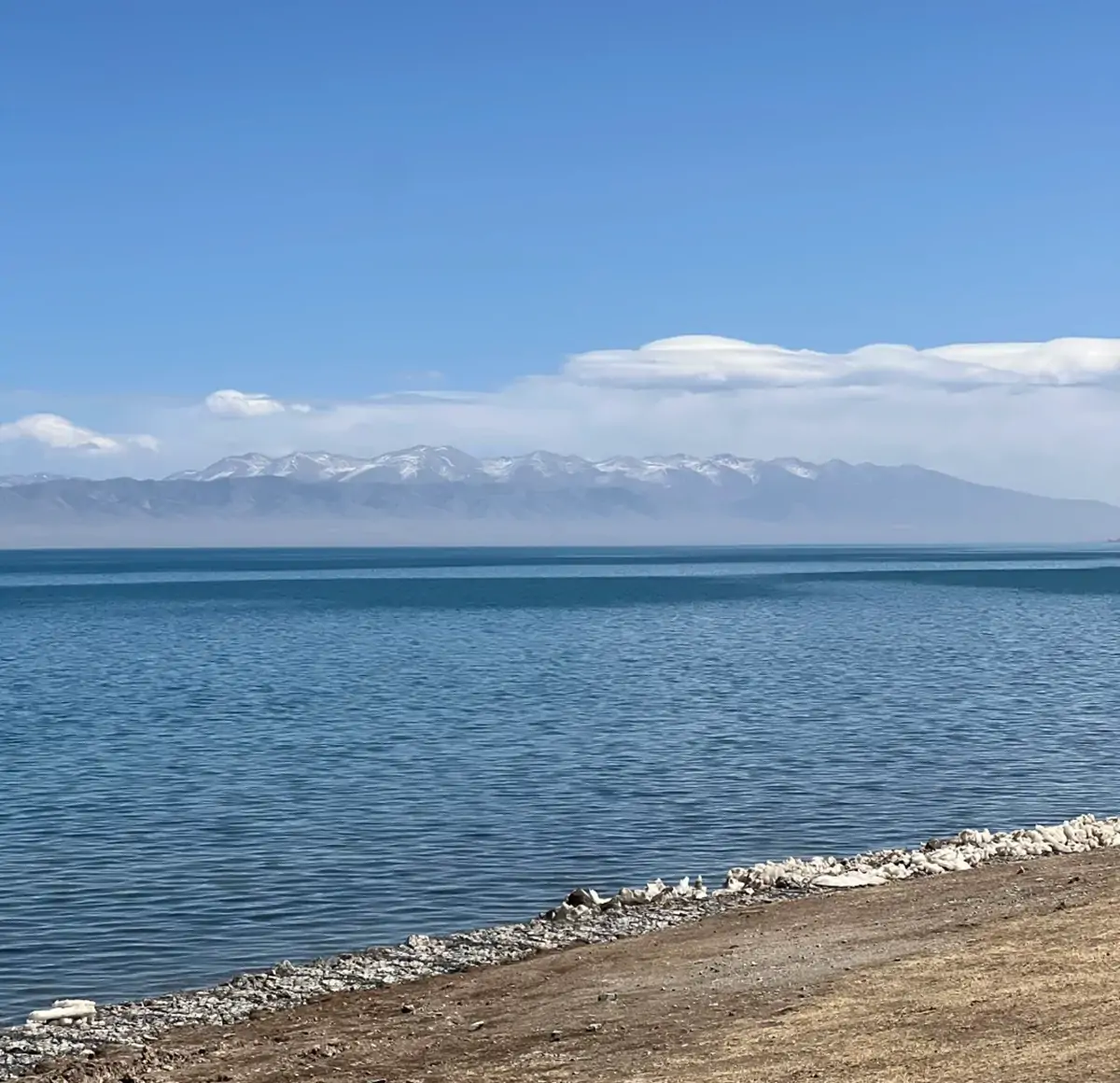
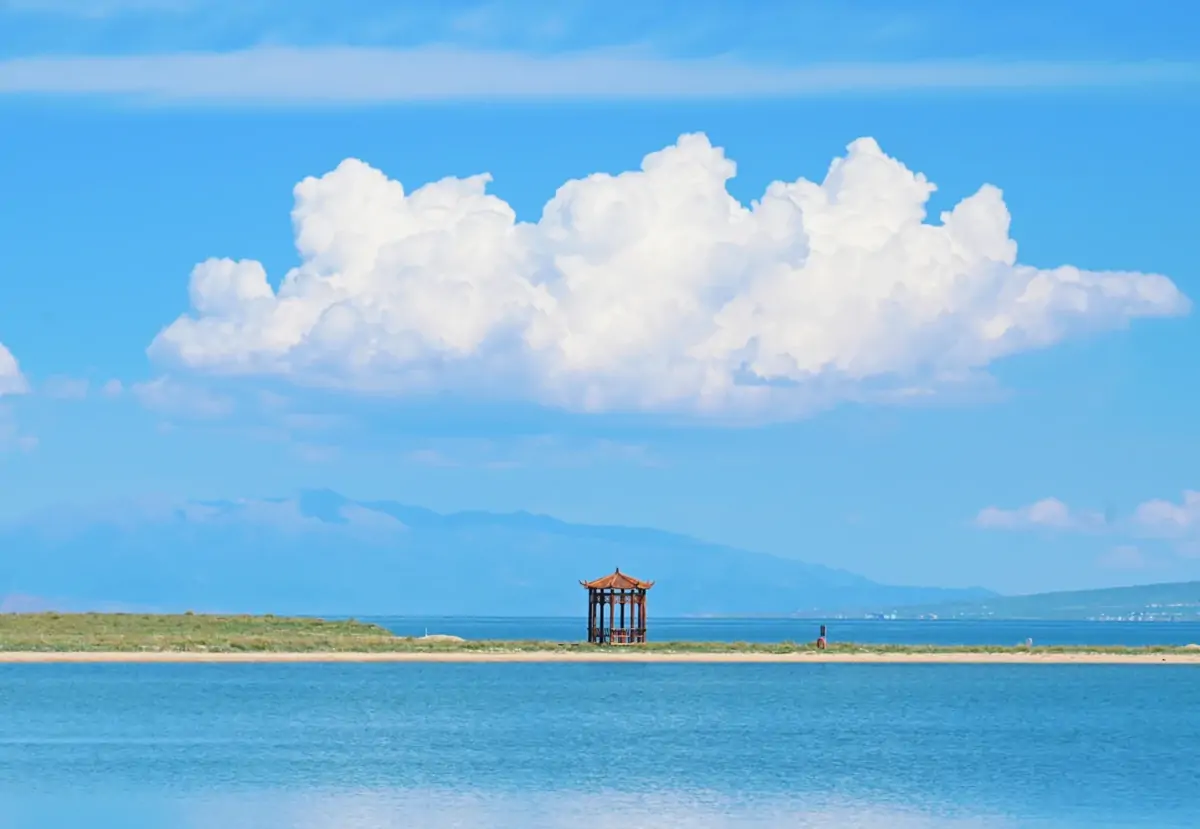
The best time to visit Qinghai Lake is from June to August. During this period, the lake area has mild temperatures, emerald green grasslands, and blooming rape flowers along the lake shore. July is generally considered the optimal month for sightseeing and photography at Qinghai Lake.
Monthly Status of Qinghai Lake
Month | Weather | Scenery | recommendation |
April to May | pleasantly cool | Early spring | ★★★☆☆ |
June | milld | Green grassland | ★★★★☆ |
July | cozy | Rapeseed Flower | ★★★★★ |
August | comfortable | Best lake view | ★★★★★ |
September | refreshing | Golden grassland | ★★★★☆ |
From October to the following March | cool | Travel off-season | ★★☆☆☆ |
When to Visit Qinghai Lake
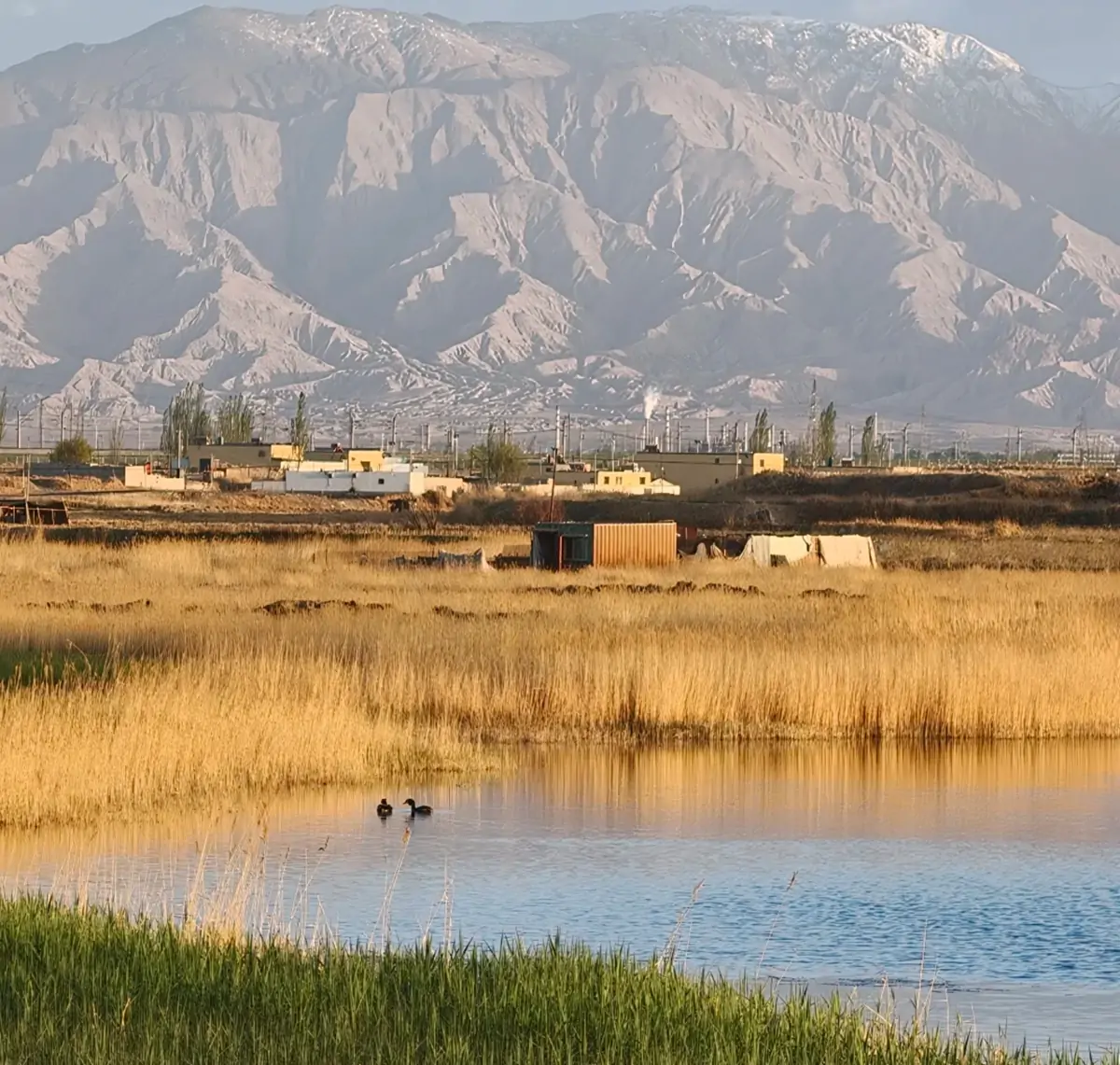
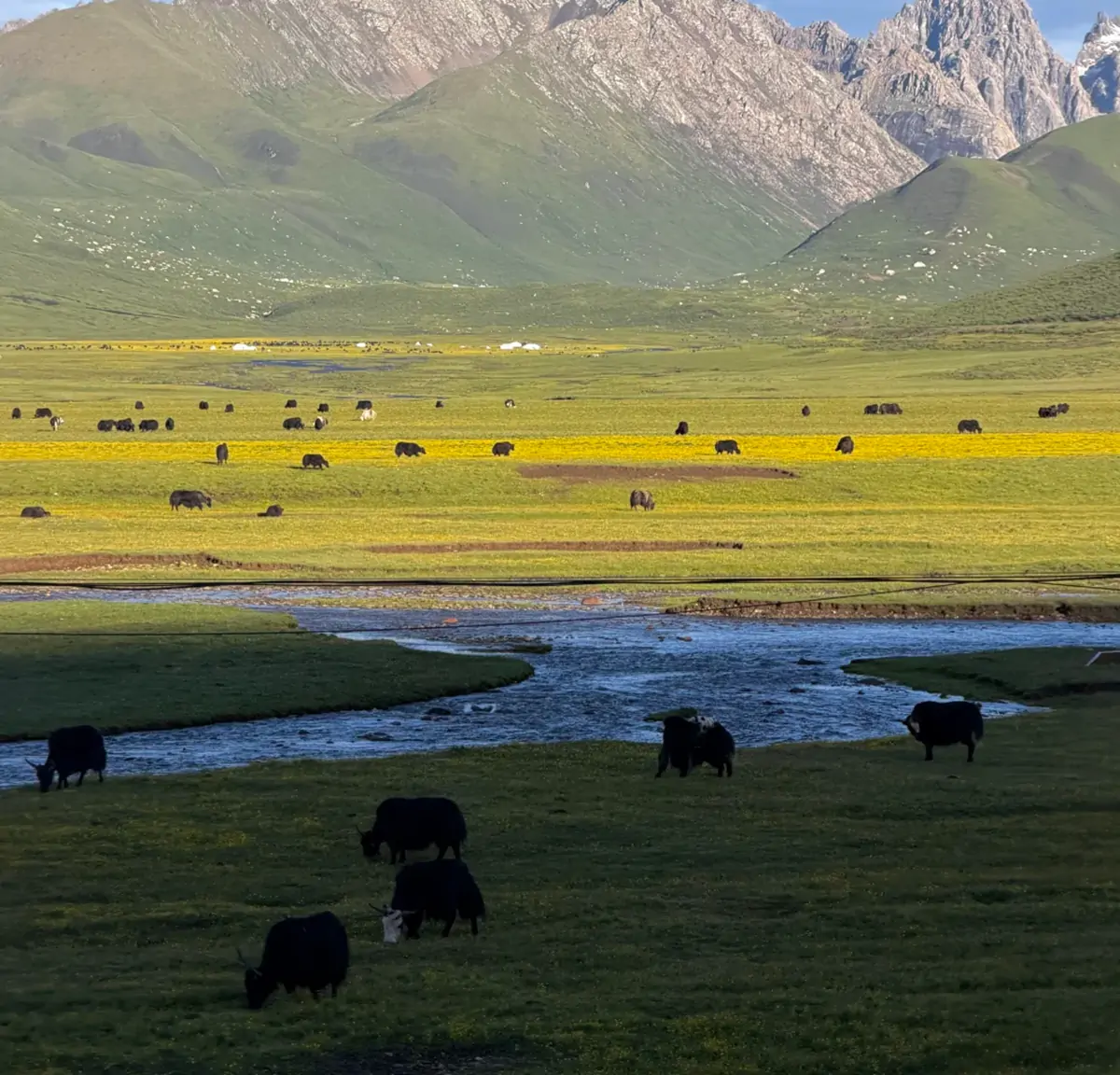
Qinghai Lake boasts unique scenery throughout the year, but summer (June to August) is widely regarded as the best time to visit. During these months, the lake enjoys mild weather, lush grasslands, and blooming oilseed rape fields surrounding its shores, creating one of the most spectacular sights on the Tibetan Plateau.
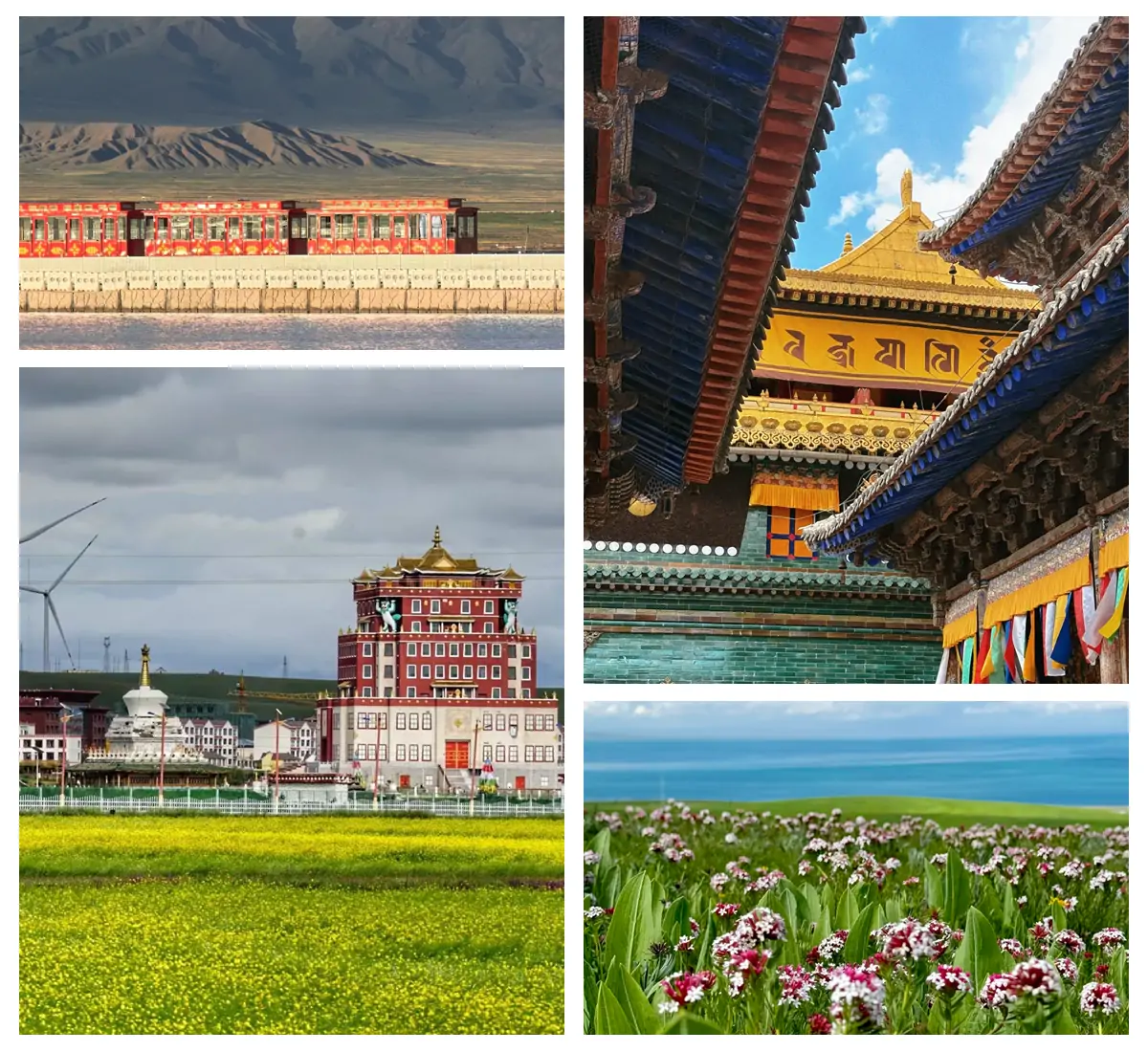
Of course, spring and autumn each have their own charm. Spring marks the start of the peak tourist season, with gradually rising temperatures and more active wildlife herds. Autumn brings crisp air, fewer tourists, and golden grasslands, making it an ideal choice for photographers and travelers seeking a peaceful experience. While winter is cold and less crowded, it showcases serene frozen landscapes that attract adventure seekers and winter photography enthusiasts.
Summer (June to August) — The Best Travel Season
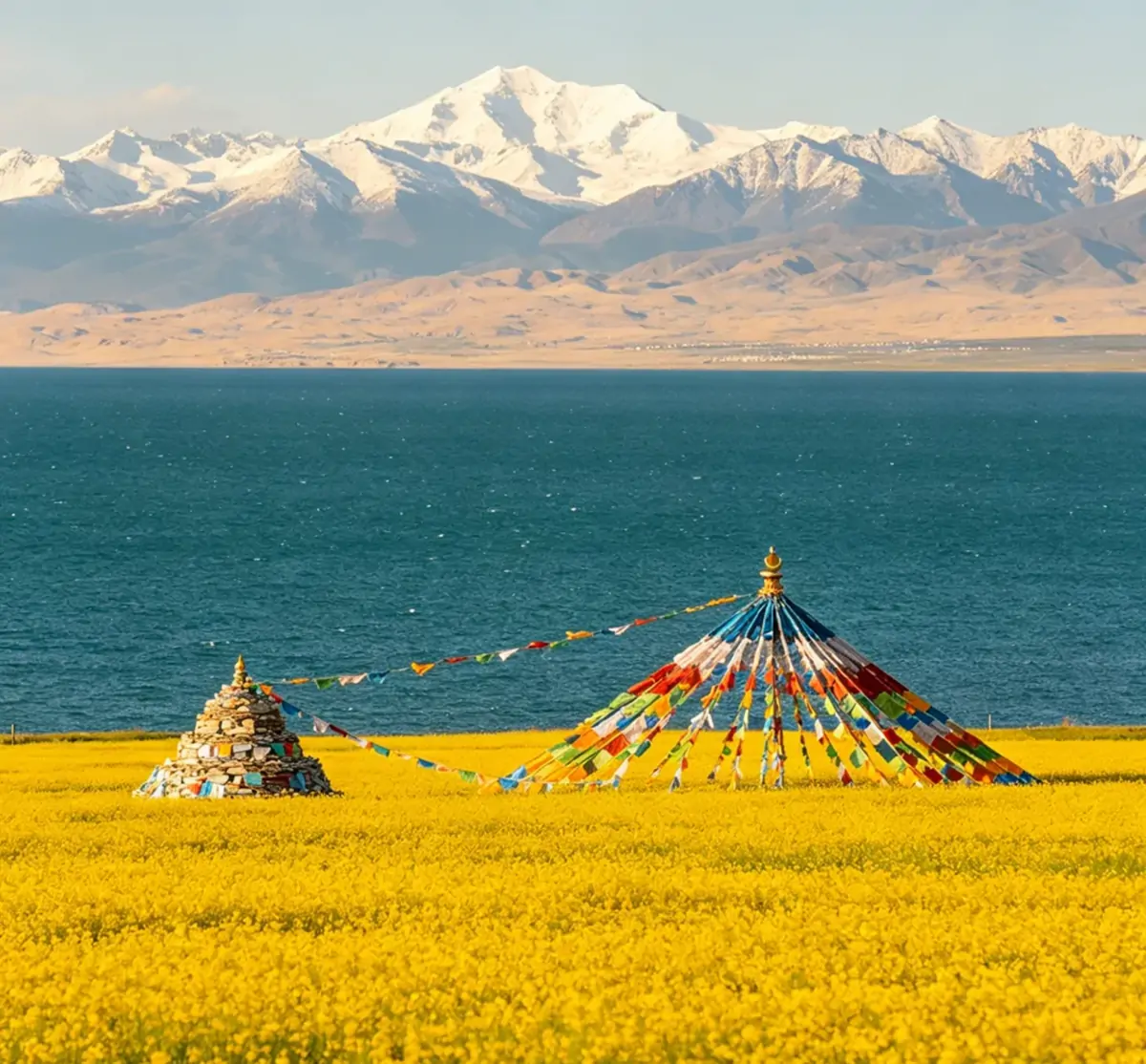
This is the generally recognized best travel period for Qinghai Lake. Starting from late June, large areas of rape flowers along the lake shore bloom in succession, creating a stunning contrast with the azure lake water, white clouds, and emerald grasslands. The weather is pleasant, with daytime temperatures ranging from 15 to 22°C, making it ideal for cycling around the lake, hiking, and camping. However, ultraviolet radiation is extremely strong, so sun protection is essential. There is also a significant temperature difference between day and night, requiring a light down jacket or waterproof jacket. Some road sections may experience traffic jams.
Autumn (September to October) – Fewer Tourists
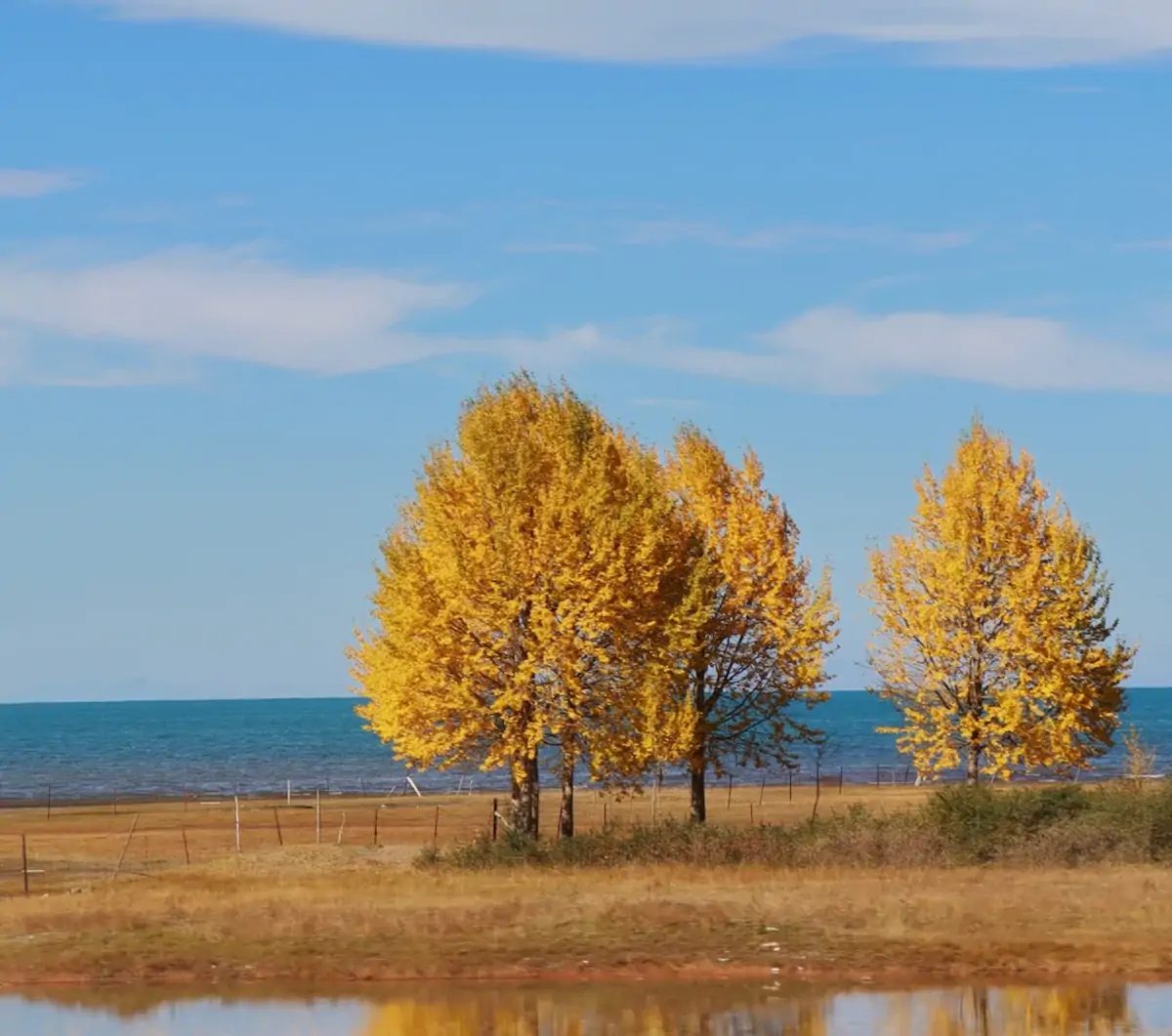
Although rapeseed flowers have withered, the grassland turns from emerald green to golden yellow, and the lake water appears exceptionally clear and bright under the high-altitude sunny sky. There are significantly fewer tourists, prices drop, and cycling around the lake is much quieter. The weather is stable with little precipitation, making it ideal for photography. Temperatures drop noticeably, with a temperature difference of 15°C+ between day and night; thick outerwear is needed for outings. After the first decade of October, some lakeside guesthouses start to close.
Winter (November to March) — Snowy Scenery
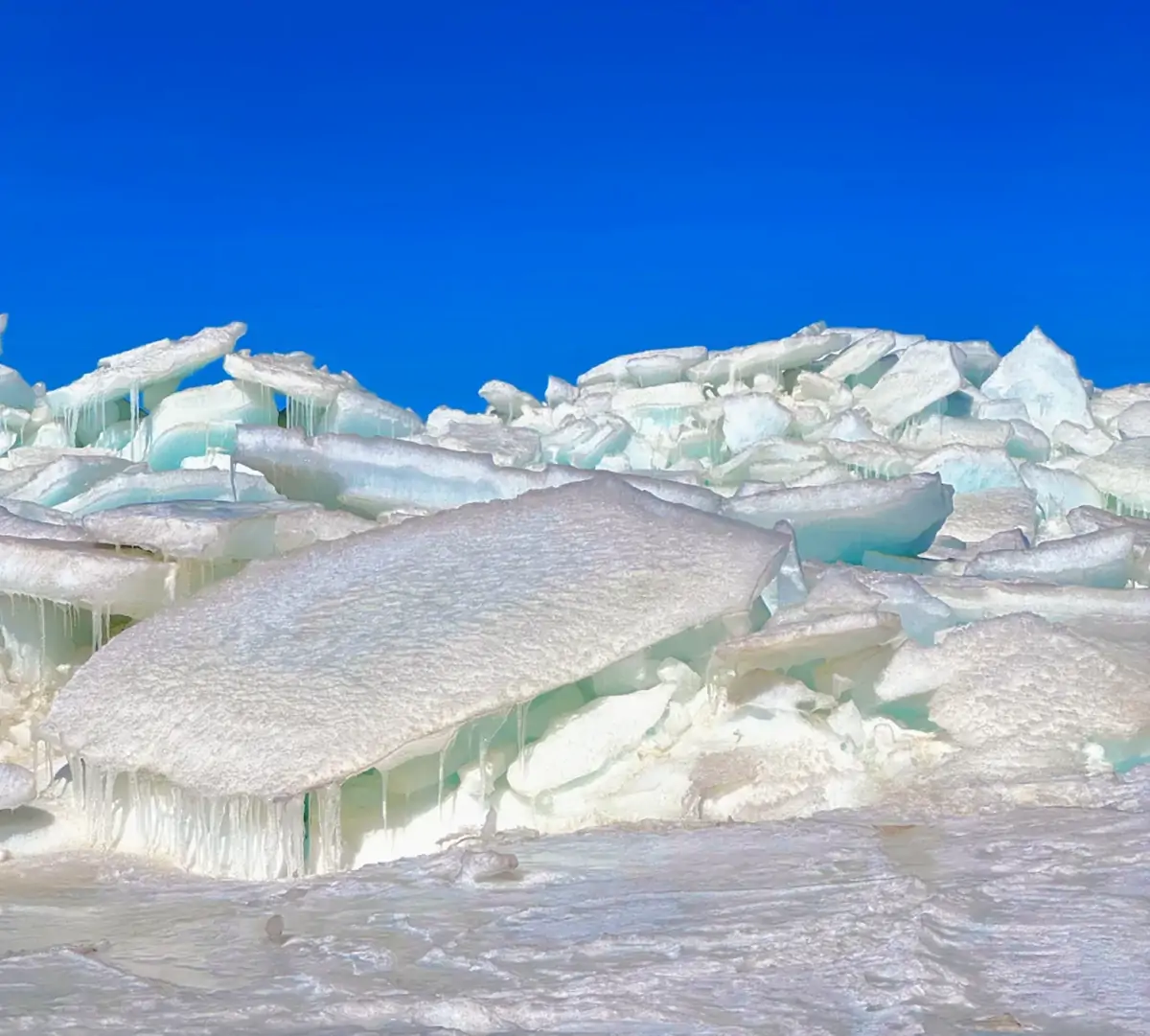
The lake surface of Qinghai Lake is frozen, and under the refraction of sunlight, it presents a rare blue ice landscape. With fewer visitors, the scenery is unique, making it suitable for travelers who enjoy off-the-beaten-path trips and photography. Extreme low temperatures (often below -15°C at night), strong winds, and severe cold require adequate warm clothing. Some roads are icy, so snow chains should be installed on four-wheel-drive vehicles. Most accommodations and restaurants along the lake are closed.
Early Spring (April to May) — Migratory Birds
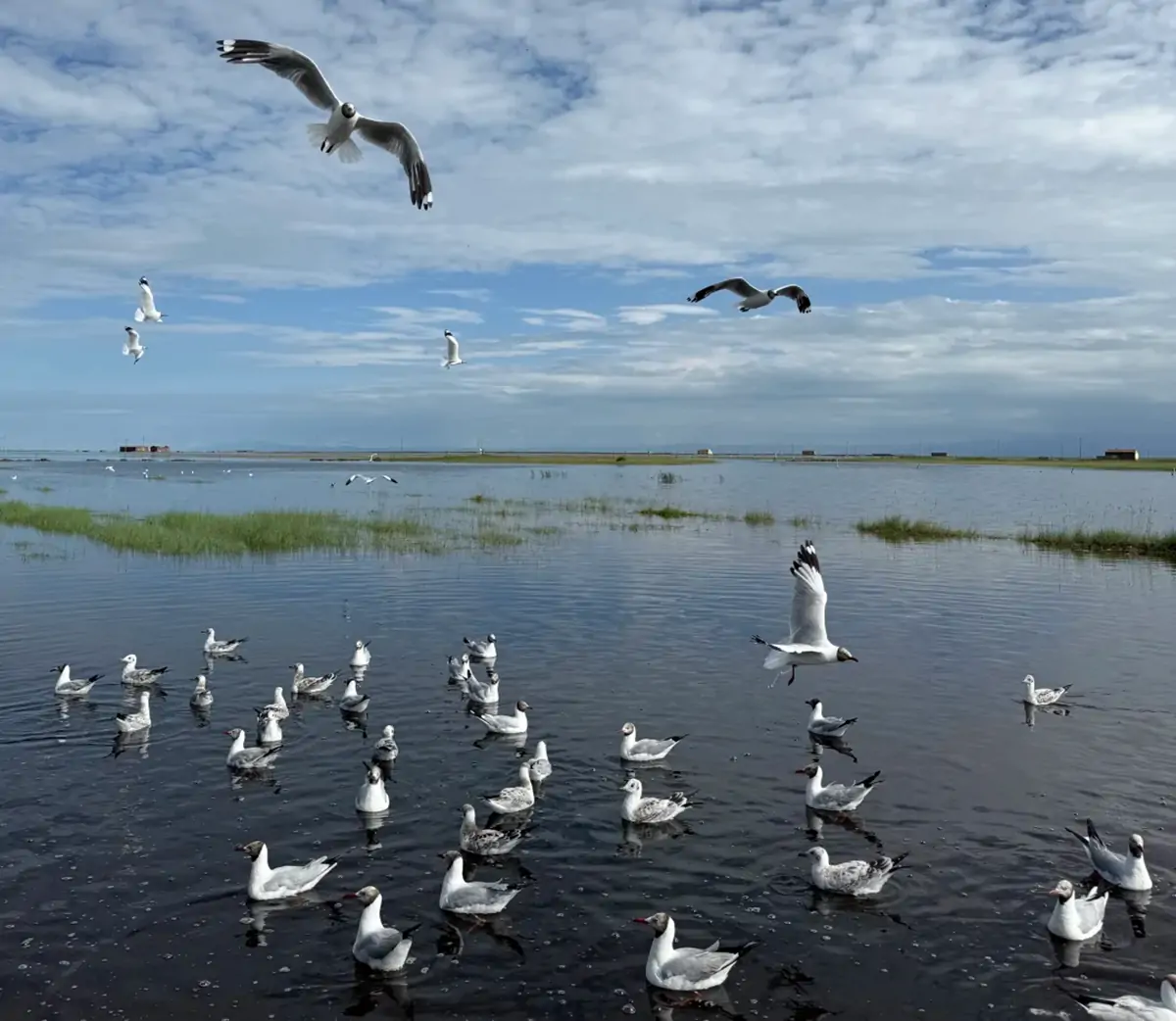
Qinghai Lake's Bird Island (now the Qinghai Lake National Nature Reserve Bird Observation Point) welcomes a large migration of migratory birds, with species such as Bar-headed Geese and Brown-headed Gulls gathering in large numbers, making it the prime time for birdwatching enthusiasts. Few tourists visit during this period, the lake water is a deep blue, and it offers excellent value for money. The temperature is relatively low (5-12°C), with frequent strong winds. Some areas still have residual snow and ice that have not fully melted, and some facilities along the lake are not open.
Climate Characteristics and Recommendations for Qinghai Lake
Qinghai Lake is located in the northeastern part of the Qinghai-Tibet Plateau, at an altitude of about 3,200 meters, with a typical plateau continental climate. The region has intense solar radiation, low air humidity, and rapid weather changes. Additionally, the temperature difference between day and night is very large, and noticeable temperature variations can be felt within a single day. The local summer is short and cool, with an average temperature around 15°C, without scorching heat. Meanwhile, the winter is long and cold, and the lake surface freezes over a large area.
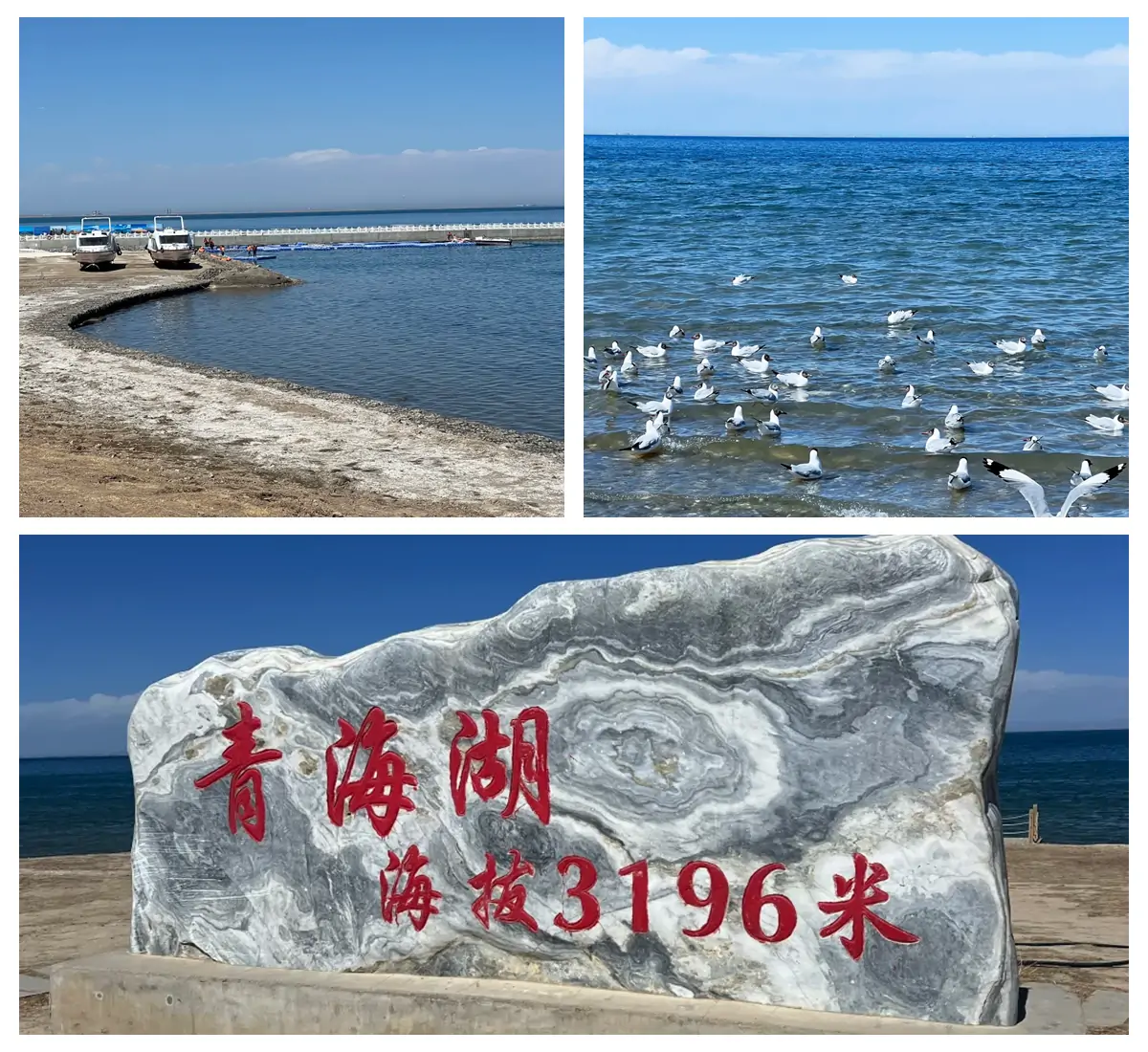
The lake region has relatively low annual precipitation, with slightly higher amounts in the east and south than in the north and west. Annual evaporation reaches 1,502 millimeters, far exceeding precipitation. Precipitation in the lake area varies significantly by season, primarily concentrated from May to September, a period characterized by both rain and heat. When traveling during the rainy season, it is essential to carry an umbrella or other rain gear; for safety reasons, avoid cycling when it rains in the Qinghai Lake area.
Tourists should also prepare for the effects of high altitude. While most travelers adapt smoothly, some may experience mild altitude discomfort, especially on the first day. After arrival, it is advisable to avoid strenuous activities, maintain adequate hydration, and allow time to acclimatize. Due to ultraviolet radiation levels being much higher than at lower altitudes, sunscreen, sunglasses, and wide-brimmed hats are essential regardless of the season.
How to tour Qinghai Lake
Generally, a classic Qinghai Lake trip takes 3-4 days. The ideal itinerary for Qinghai Lake depends on the time you have and the experiences you want to enjoy. While a one-day tour can cover the lake's main highlights, most travelers opt for a 2-4 day trip to more deeply appreciate the surrounding attractions, local culture, and the magnificent scenery of the northeastern Qinghai-Tibet Plateau.
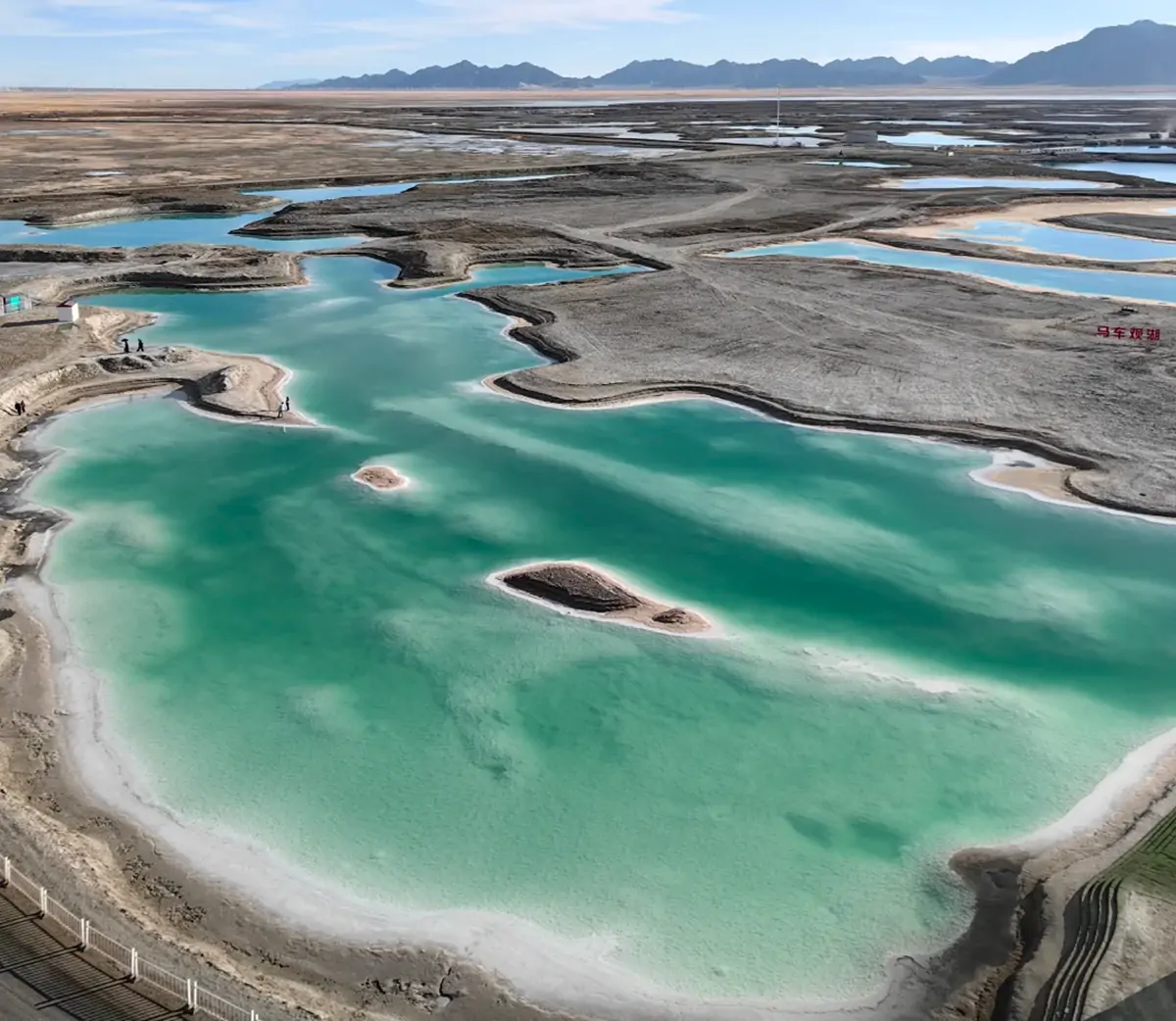
If time is tight, you can choose a two-day small loop. Depart from Xining to visit Ta'er Temple, see Qinghai Lake, then go to Tea Card Salt Lake to photograph sunsets and sunrises, and finally return along the West Ring Lake Road and Jinyintan Grassland, which fits perfectly. For a classic and comprehensive experience, opt for a three-day lake loop. The clockwise route offers good road conditions and excellent viewing angles. Along the way, you can visit Ta'er Temple, Lajishan Mountain, the flower sea by Qinghai Lake, check out Tea Card Salt Lake, the grassland, and Xianzi Bay, and slowly savor the lake scenery.
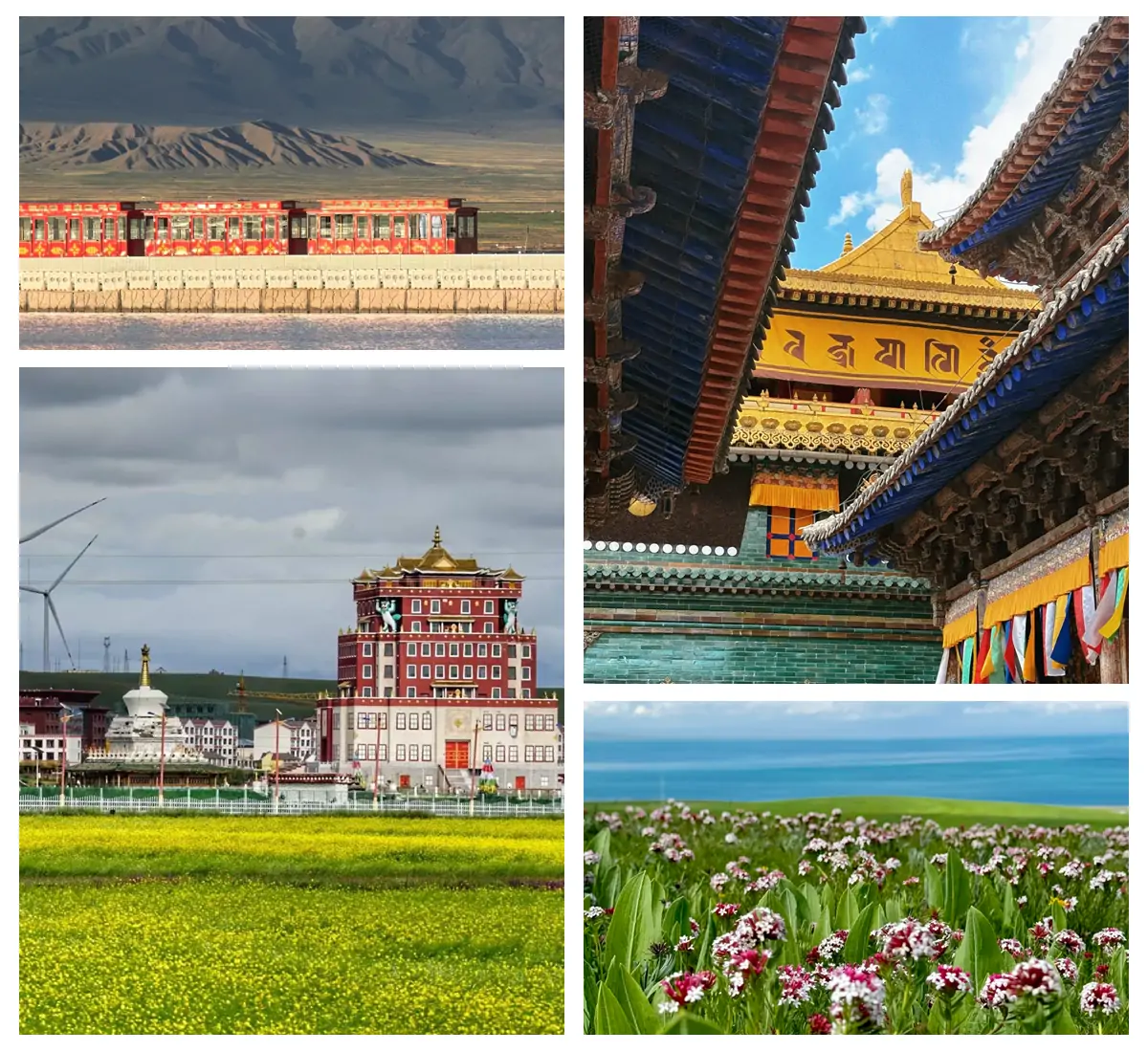
A four-day trip is one of the most rewarding ways to explore Qinghai Province. In addition to Qinghai Lake and Chahan Nor Salt Lake, this route includes Delingha and Emerald Lake, allowing travelers to experience high mountain lakes, salt marshes, grasslands, deserts, and plateau scenery in a single journey. This itinerary is ideal for travelers seeking a comprehensive exploration of Qinghai.
Of course, if you have ample time, you can also refer to our other routes below:
·6 Days Qinghai Tour to Explore Tibet Region
·8 days Qinghai kekexili and Qaidam basin tour in depth
You can customize a private travel experience tailored to your preferences. We will accompany you throughout your journey, visiting various attractions in safe, clean, and comfortable private vehicles (driven by drivers with valid licenses). This allows you to focus on sightseeing and fully enjoy your trip. If you wish, our driver can also make stops along the way for you to appreciate the scenery
Email: [email protected] WhatsApp:+86 15347723823 , ++86 15347723823
Conclusion
Choosing the right season is key to having a perfect journey, whether you plan to visit during the blooming summer or the serene early autumn. Understanding the climate, scenic highlights, and optimal ways to explore Qinghai Lake in different seasons not only helps you avoid travel pitfalls but also allows you to fully appreciate the magnificent views of this highland lake. It is hoped that this guide will help you find the best time to visit Qinghai Lake for your preferences and provide practical reference for your upcoming trip planning, making every stop a memorable travel experience.
FAQ
When is the best time to visit Qinghai Lake?
The best time to visit Qinghai Lake is from June to August, when the weather is mild, the grasslands are lush, and the famous rapeseed flowers are in full bloom. July is generally considered the optimal month for sightseeing, photography, and self-driving tours.
Which month is best for viewing rapeseed flowers at Qinghai Lake?
Rapeseed flowers typically bloom from early to late July each year, with the exact timing depending on the weather conditions of that year. During this period, the golden sea of flowers around Qinghai Lake forms one of the most spectacular natural landscapes in western China.
How many days should I spend visiting Qinghai Lake?
Most tourists spend 2 to 3 days exploring Qinghai Lake and its surrounding attractions. This duration is sufficient to enjoy the lake views, watch sunrises, visit the Tea Card Salt Lake, and experience the famous Qinghai Lake Ring Road.
Is it worth visiting Qinghai Lake in September?
Yes. September offers pleasant temperatures, clear skies, and far fewer tourists than summer. The surrounding grasslands turn golden, making it an ideal season for photography, road trips, and travelers seeking a peaceful experience.
Is Qinghai Lake cold in summer?
Usually not. Summer daytime temperatures typically range from 15°C to 25°C (59–77°F), making it the most comfortable season for visiting. However, due to its high altitude, nights can be cool, so it is advisable to bring a light jacket.
What should I wear when visiting Qinghai Lake?
Wear layered clothing suitable for temperature changes. Comfortable walking shoes, a windproof jacket, sunscreen, sunglasses, and a sun hat are highly recommended, as Qinghai Lake has strong ultraviolet rays and significant day-night temperature differences.
Can I drive around Qinghai Lake?
Yes. Self-driving around Qinghai Lake is one of the most popular ways to explore the area. This scenic route connects beautiful viewpoints, grasslands, villages, and surrounding attractions, making it ideal for independent travelers and photographers.
Will I experience altitude sickness at Qinghai Lake?
Qinghai Lake is at an altitude of approximately 3,200 meters (10,500 feet). Some visitors may experience mild altitude discomfort, so it is recommended to drink plenty of water, avoid strenuous activities upon arrival, and allow time to acclimatize before sightseeing.