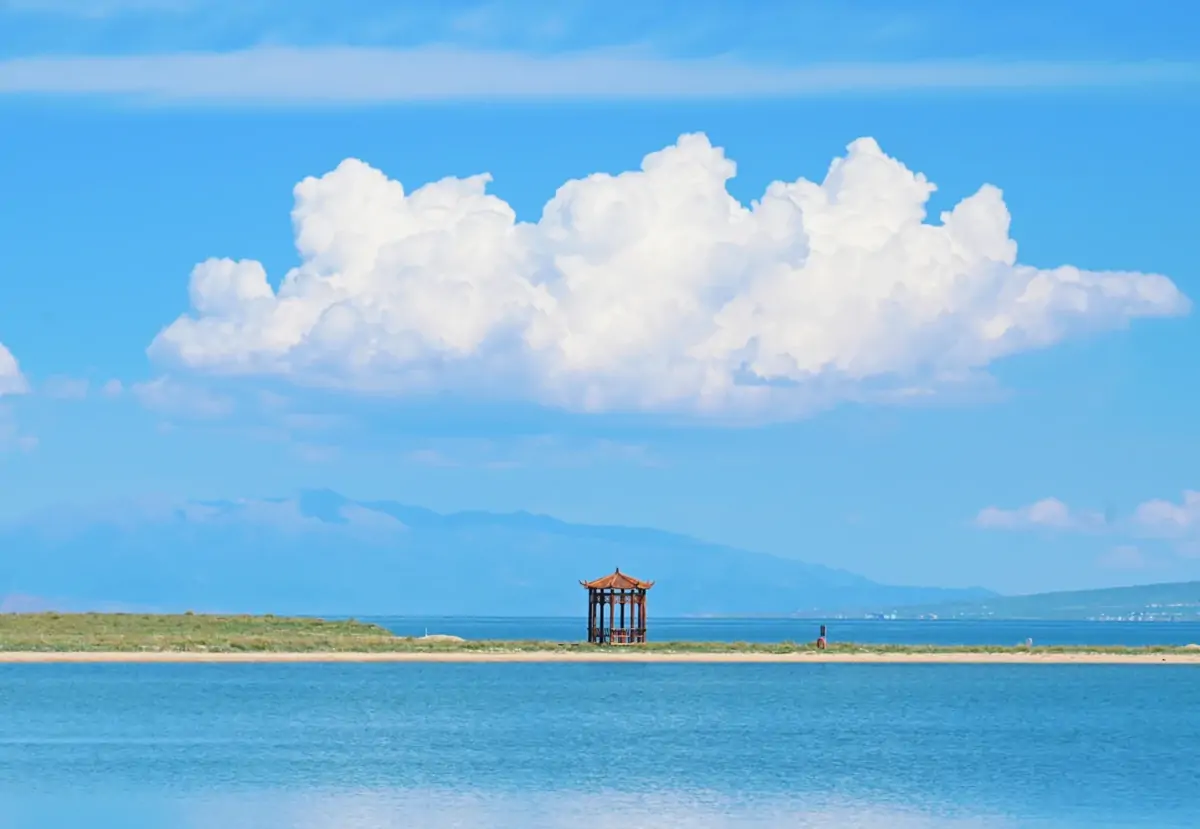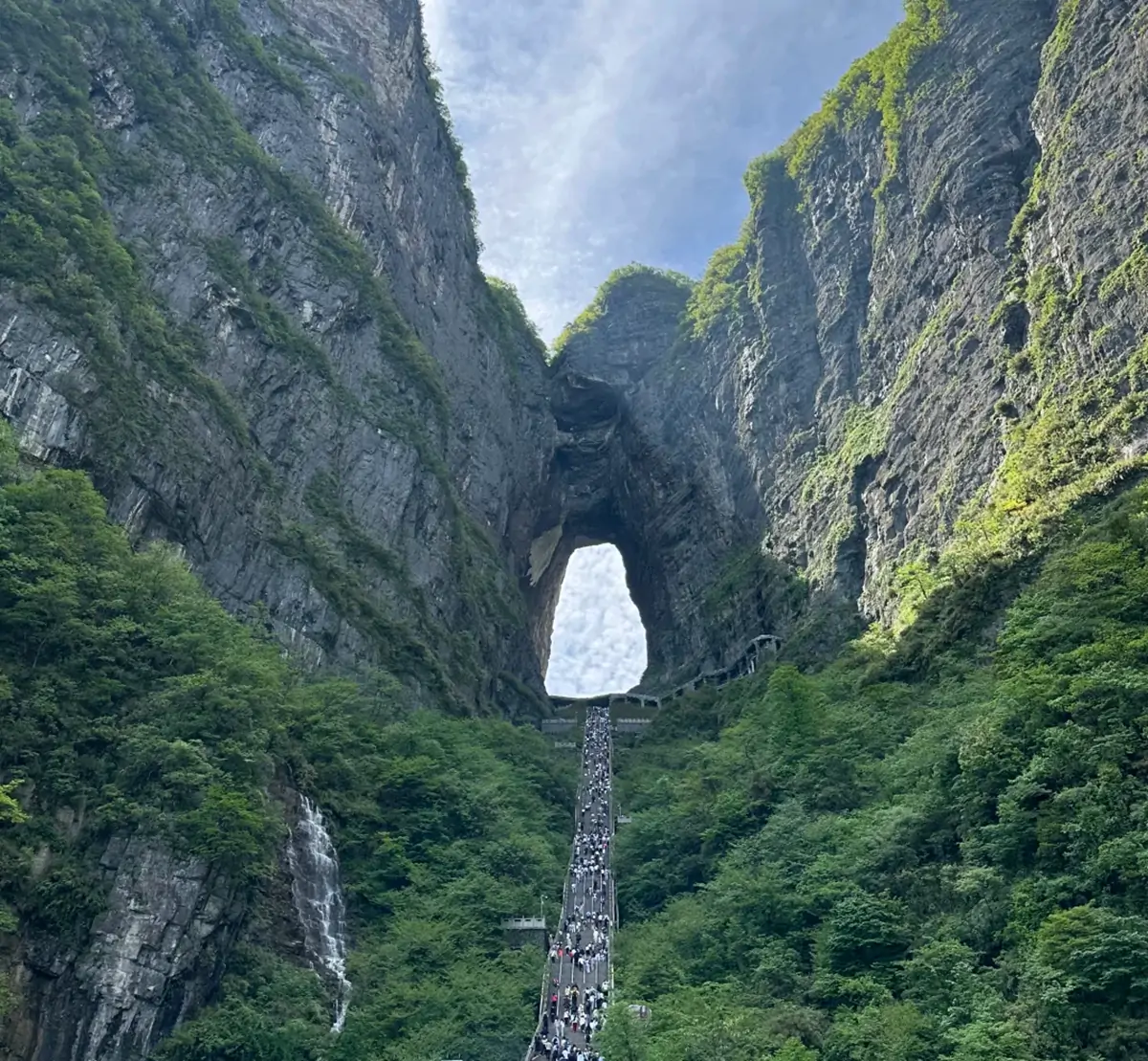
The Qinghai Tibetan Plateau: Best Time, Photography & Travel Guide
Explore the Qinghai Tibetan Plateau with this complete travel guide. Discover the best time to visit, photography locations, wildlife, Tibetan culture, railway journeys, and practical travel tips.
The Qinghai Tibet Plateau, also known as the Himalayan Plateau, is a vast plateau located at the intersection of Central Asia, South Asia, and East Asia. Geographically, it lies north of the Himalayas and the Indian subcontinent, and south of the Tarim Basin and the Mongolian Plateau. It stretches approximately 1,000 kilometers from north to south and about 2,500 kilometers from east to west. It is the world's largest and highest plateau, covering an area of 2.5 million square kilometers.
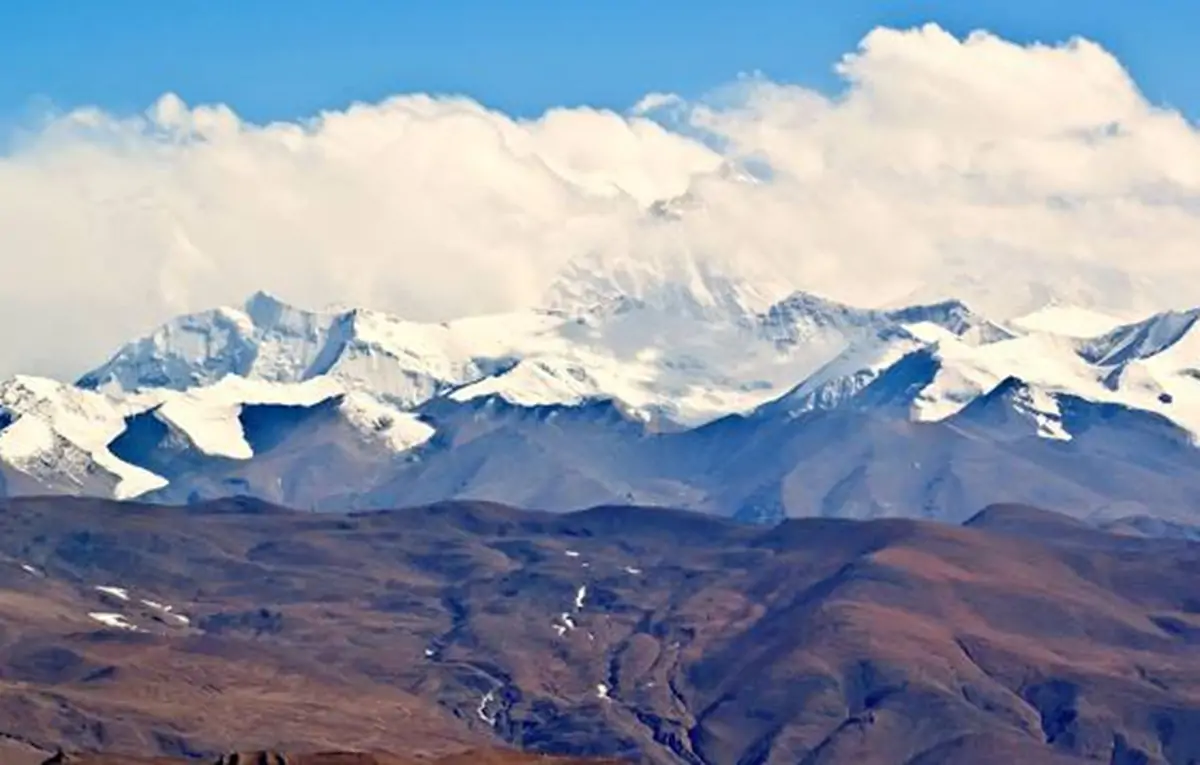
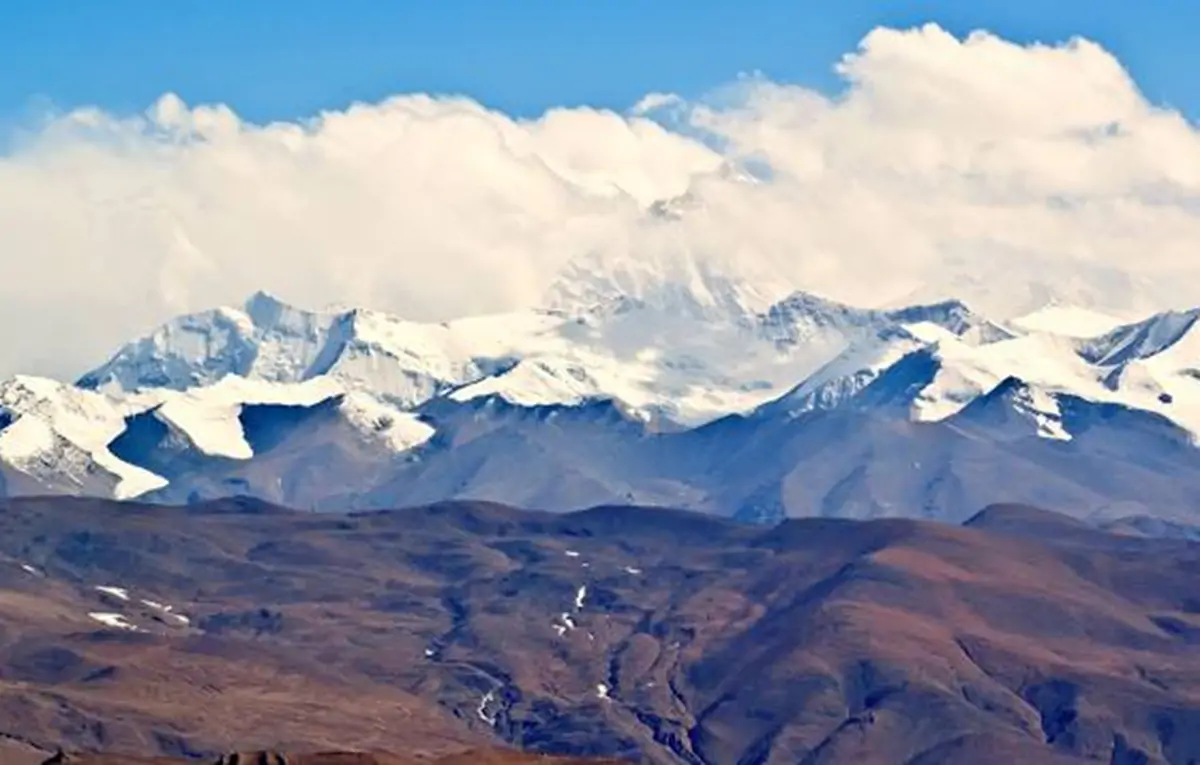
The Qinghai Tibet Plateau has an average elevation of over 4,500 meters and is surrounded by majestic mountain ranges, including the world's highest peaks Mount Everest and Mount Godwin-Austen, hence it is often called the 'Roof of the World'. Additionally, it serves as the source of numerous major rivers in Asia, earning it another nickname, the 'Asian Water Tower'.
How is the environment?
The Qinghai Tibet Plateau nurtures a diverse range of ecosystems, most of which are alpine meadows. Some parts of the plateau exhibit environments similar to alpine tundra, while other regions are dominated by monsoon-influenced shrublands and forests. Due to its high altitude and low precipitation, species diversity on the plateau is generally low. The plateau is home to species such as the Tibetan wolf, snow leopard, wild yak, wild ass, crane, vulture, eagle, goose, snake, and water buffalo. The geological history of the Qinghai-Tibet Plateau is closely related to that of the Himalayas.The Himalayas belong to the Alpine orogeny and are one of the younger mountain ranges on Earth, primarily composed of uplifted sedimentary and metamorphic rocks. Their formation is the result of continental collision or orogenic activity between the Indian-Australian Plate and the Eurasian Plate at a convergent boundary.
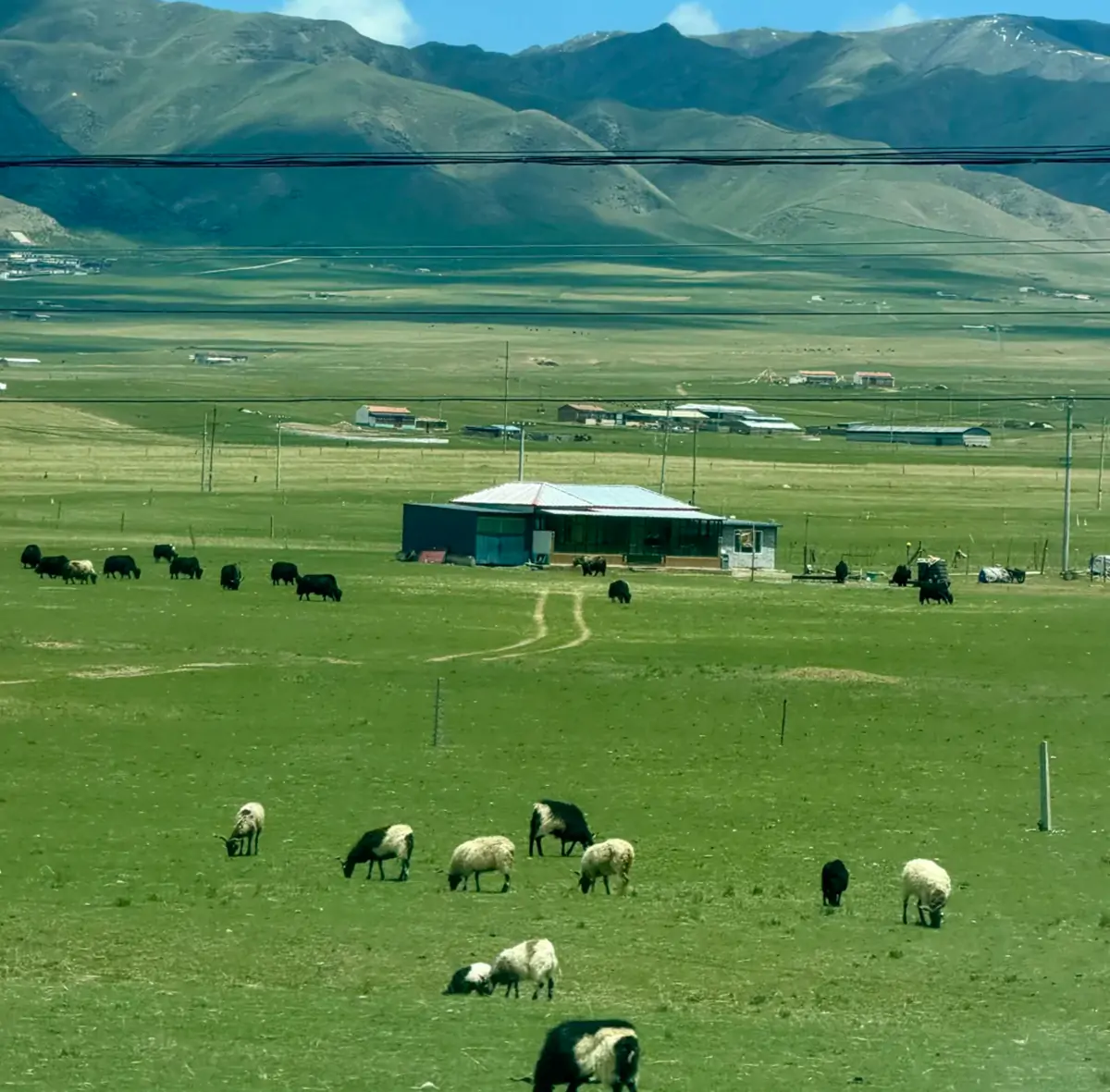
The Qinghai Tibet Plateau is not only China's most important ecological security barrier but also a crucial component of the global climate system. Its unique natural environment, abundant ecological resources, and vital water source functions make it a core area for ecological protection, climate change research, and the conservation of plateau biodiversity.
Best photography spots?
The Qinghai Tibet Plateau is one of the world's most spectacular destinations for landscape and wildlife photography. It boasts vast alpine meadows, snow-capped peaks, crystal-clear lakes, and extraordinary biodiversity, attracting photographers seeking rare wildlife encounters, stunning natural scenery, and authentic Tibetan culture. Choosing the right photography destination depends on your photographic interests, travel season, and target species, making careful route planning essential for a successful photography expedition.
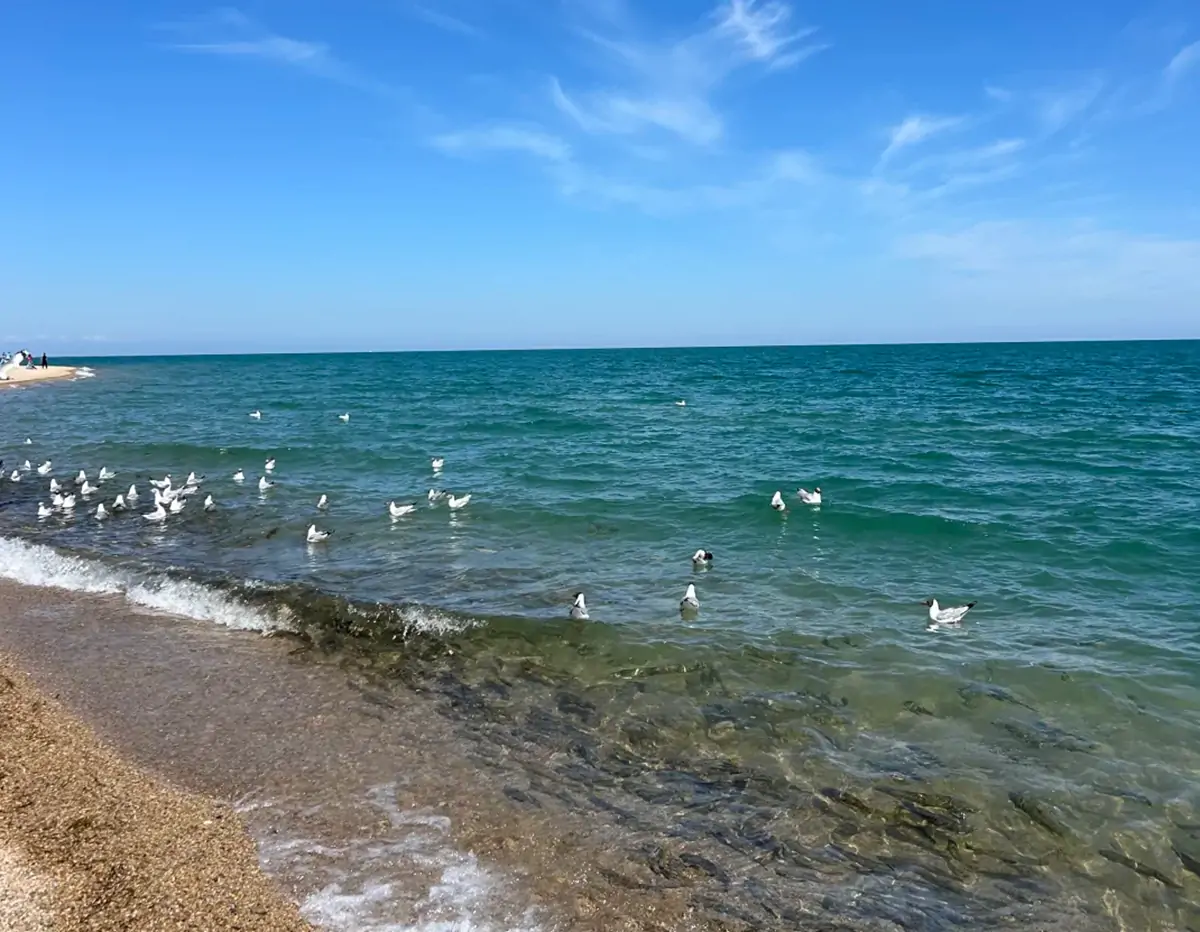
Qinghai Lake
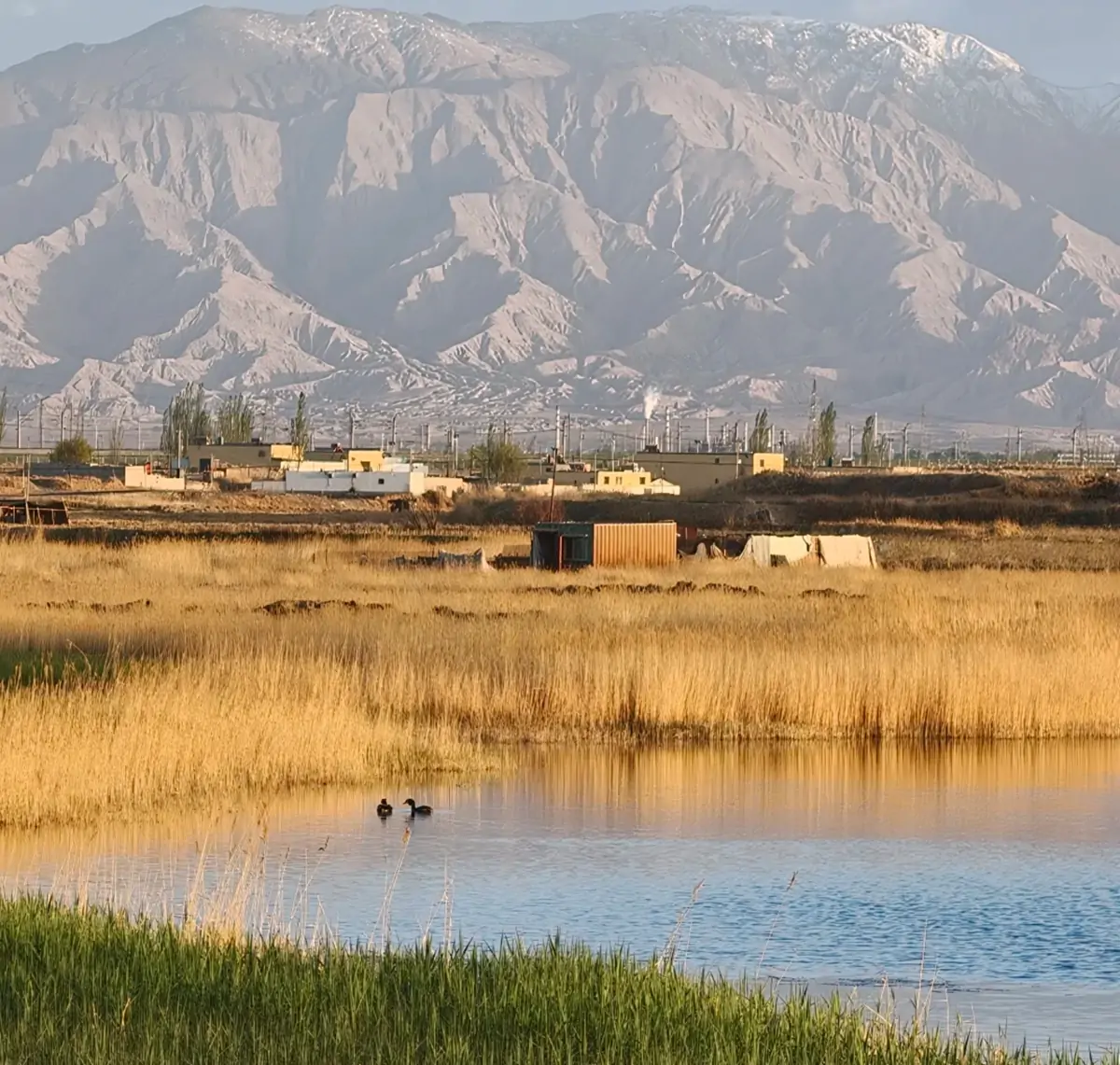
As China's largest inland saltwater lake, Qinghai Lake is renowned for its mirror-like reflections, summer oil rape fields in full bloom, migrating birds, and spectacular sunrise and sunset photography. The surrounding wetlands also attract thousands of waterfowl such as bar-headed geese and brown-headed gulls, making it an ideal destination for bird photography.
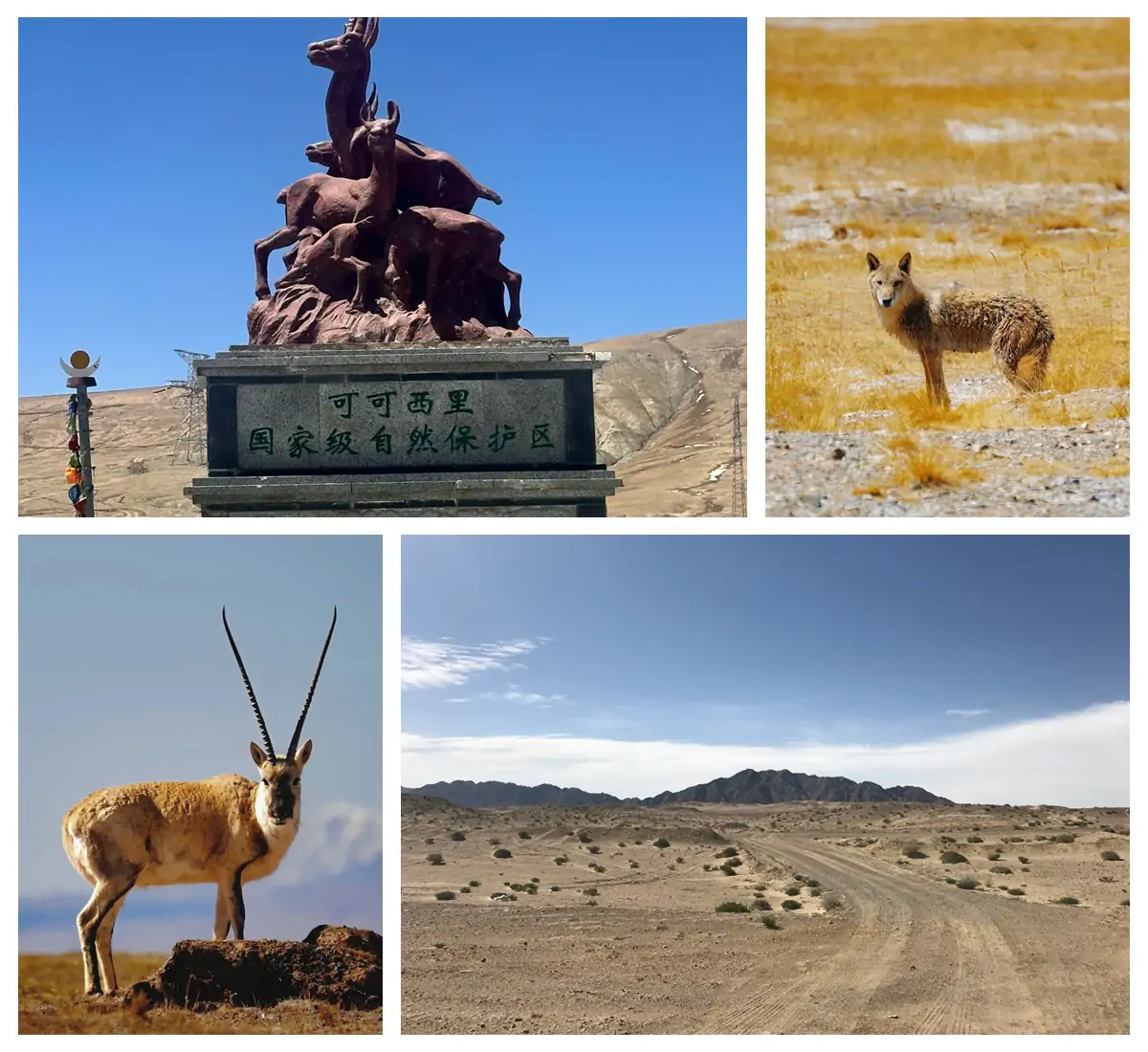
Kekexili (Kekexili National Nature Reserve)
Kekexili is one of the most remote and pristine wilderness areas on the Tibetan Plateau. It is internationally recognized as the premier destination for photographing Tibetan antelopes, wild yaks, Tibetan wild asses, Tibetan gazelles, and vast mountain landscapes. Each July, thousands of Tibetan antelopes migrate across Kekexili to their calving grounds. Those joining guided photography expeditions often witness this extraordinary migration at dawn.
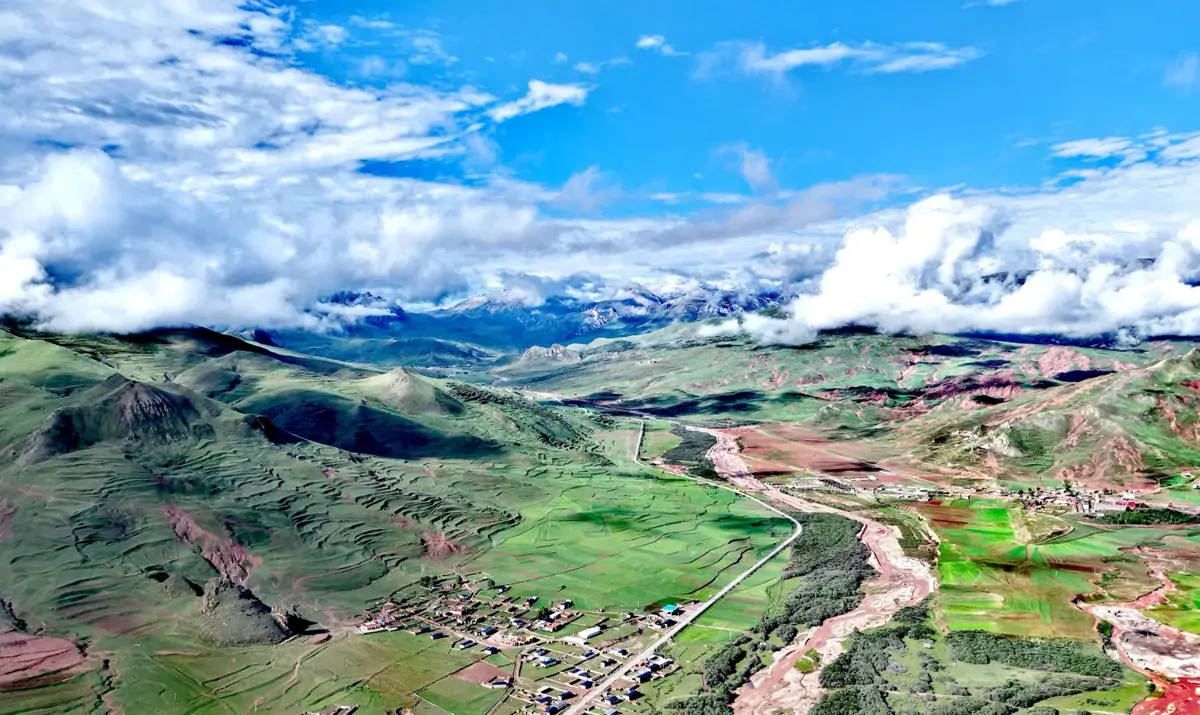
Sanjiangyuan National Park
Known as the "Source of the Three Rivers," Sanjiangyuan integrates glaciers, wetlands, grasslands, rivers, and rich wildlife into a magnificent photographic site. Photographers can capture black-necked cranes, Tibetan foxes, rock sheep, and expansive high-altitude vistas while experiencing one of Asia's most important ecological regions.
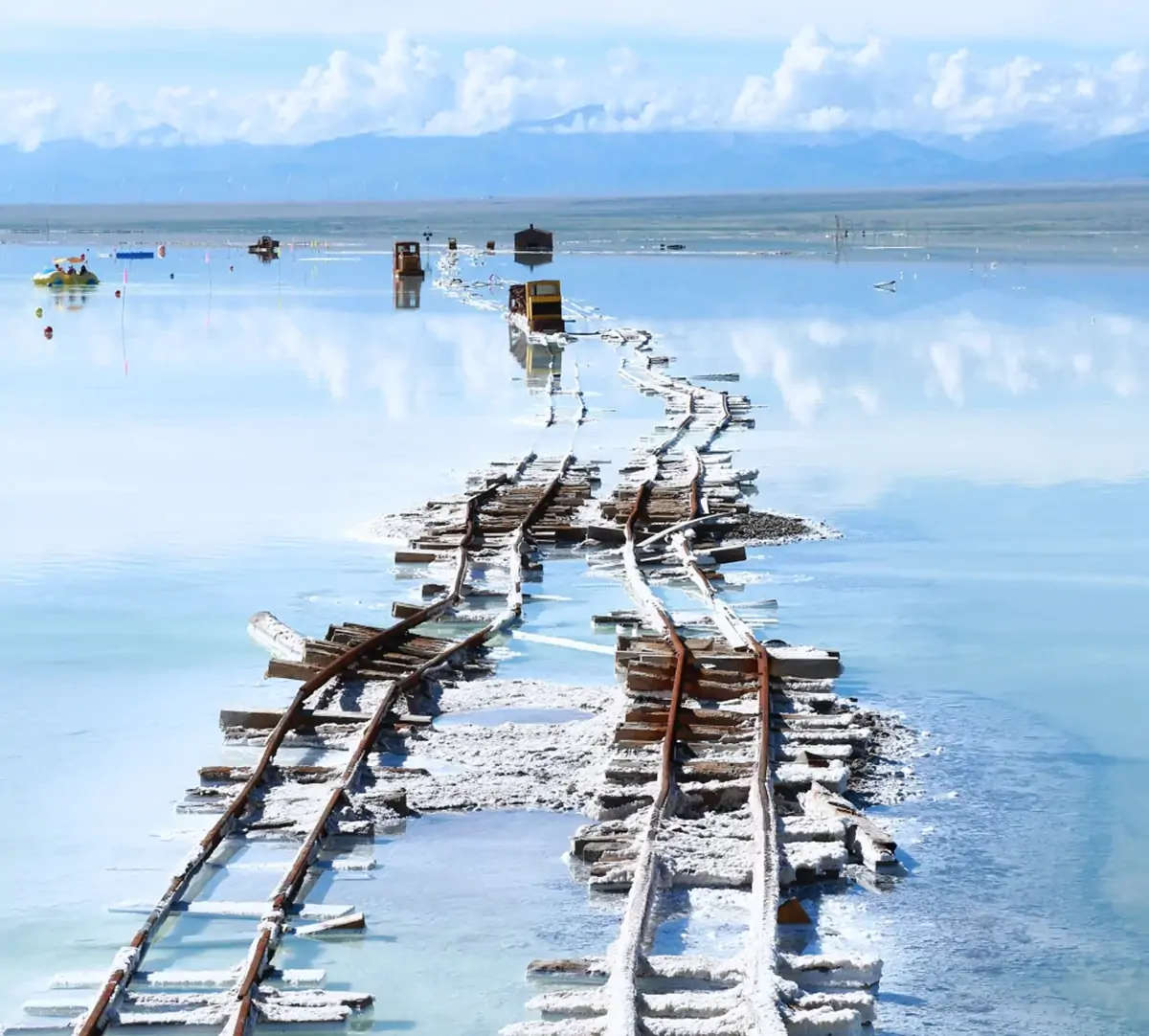
Tea Card Salt Lake
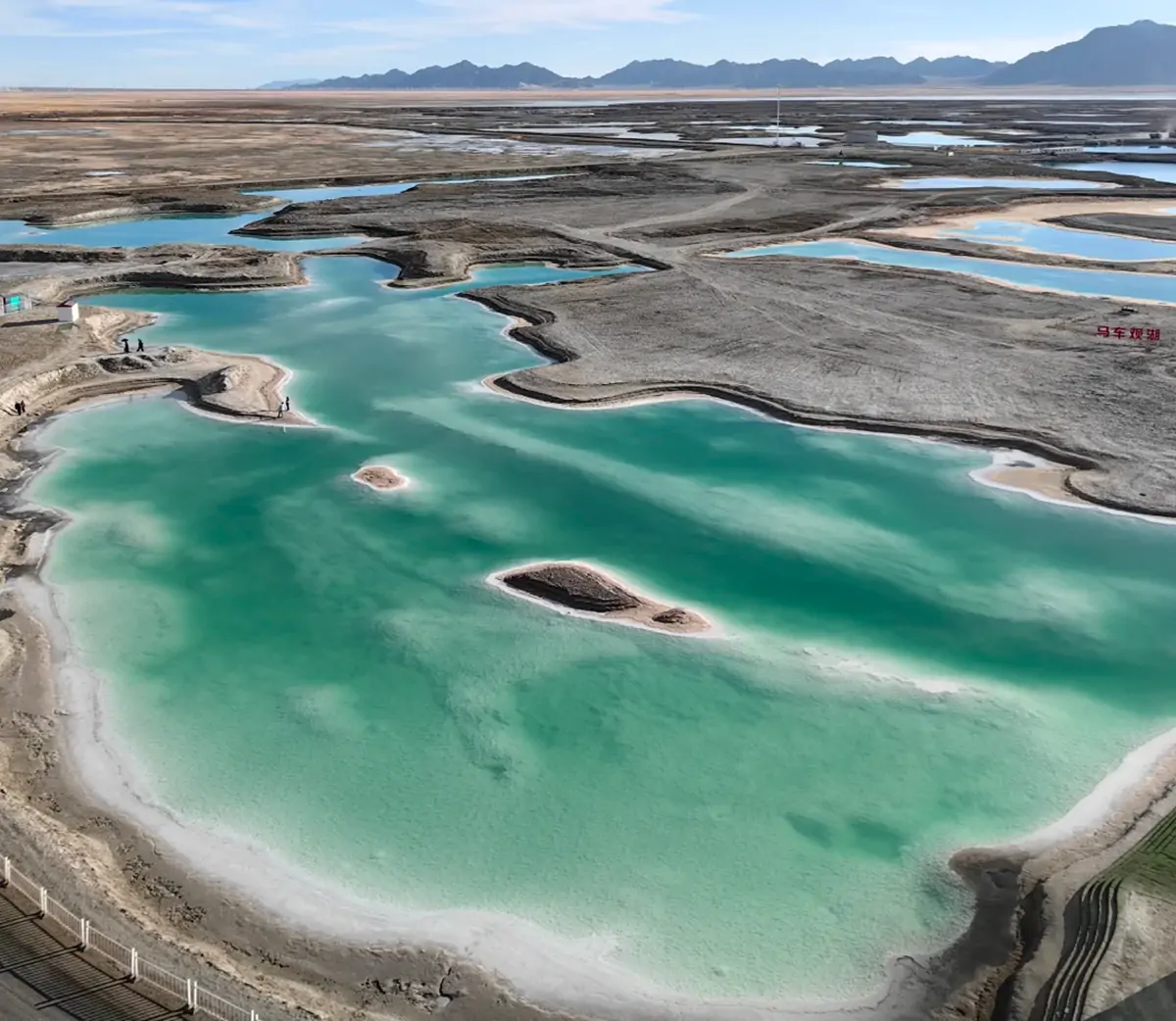
Frequently called the "Sky Mirror," Tea Card Salt Lake is famous for its surreal reflections, clear waters, and minimalist landscapes. Light is most dramatic at sunrise and sunset, while the dry season provides ideal reflection conditions for scenic and creative photography.
Qaidam Basin
Located on the northern edge of the plateau, the Qaidam Basin presents a distinct landscape characterized by salt lakes, deserts, colorful mineral deposits, and unique geological formations. It is particularly favored by drone photographers and those seeking abstract landscape compositions.
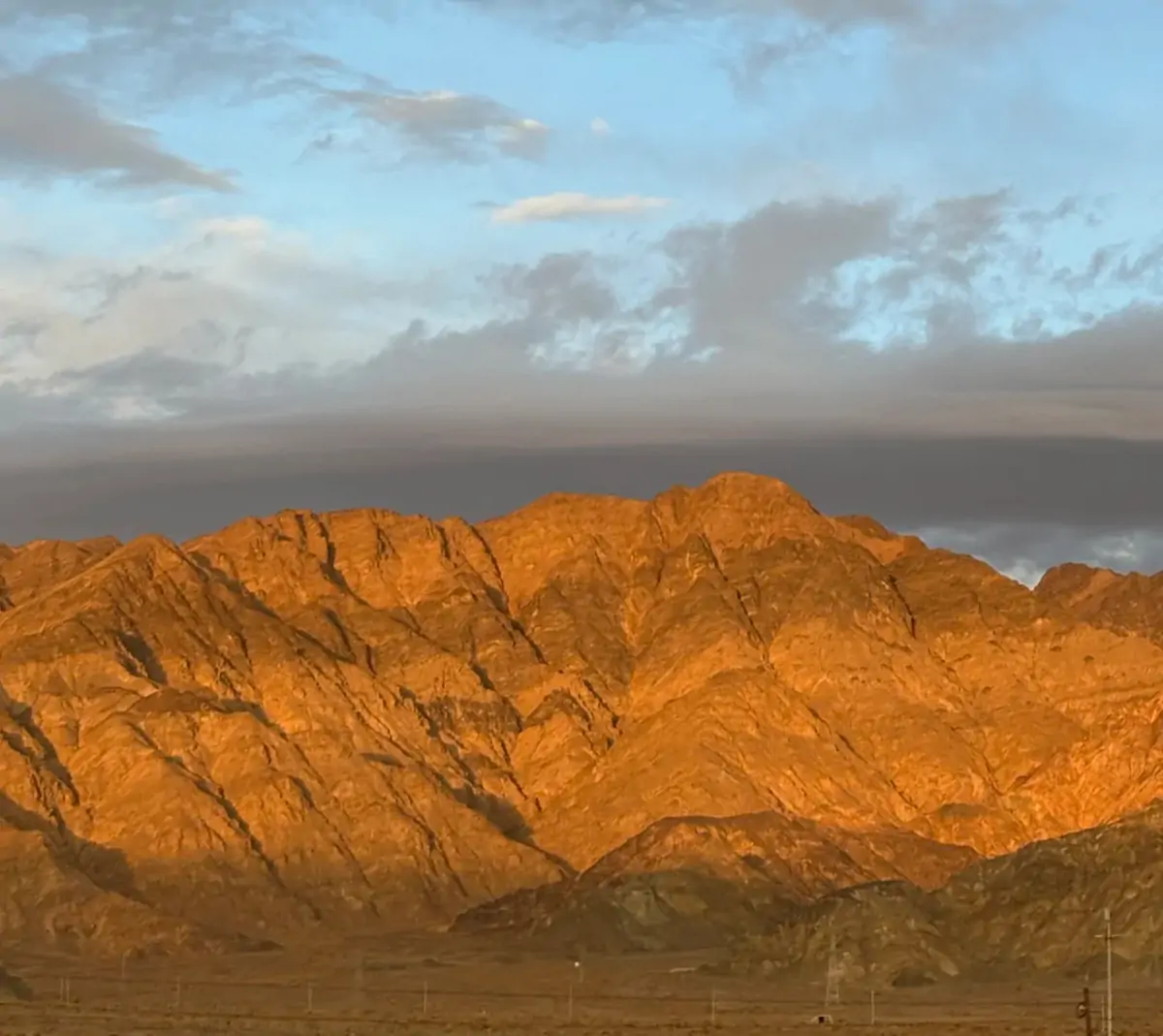
Choosing the right photography destination depends on your photography interests, travel season, and target species, making careful route planning crucial for a successful photography expedition. If you want to complete a full shoot, you can contact our travel agency, which will provide you with professional photographers and guide you through the process personally.
You can also check out some of our travel routes near the Qinghai Tibet Plateau, where you can choose one that suits you
·6 Days Qinghai Tibet Train tour
·8 days Qinghai kekexili and Qaidam basin tour in depth
·10 Days Xinjiang-Gansu-Qinghai Silk Road Group Tour
·13 Days Xinjiang-Gansu-Qinghai In-depth Silk Road Tour
Email: [email protected] WhatsApp:+86 15347723823 , ++86 15347723823
otography Tips
1. When shooting on the Qinghai-Tibet Plateau, it is advisable to slow down your pace of action and prepare anti-altitude sickness medication. Take strong ultraviolet protection measures and bring thick clothing to cope with the large temperature difference between day and night.
2. Due to large environmental temperature differences, cameras may fog up; seal and warm them when entering indoor spaces. Wipe salt lake sand and dust off equipment promptly. Prepare extra batteries for low temperatures. Drones are banned in many scenic spots and border areas.
3. Obtain permission before photographing local people. Most temples prohibit photography and the use of flashlights. Do not step on or damage prayer flags and mani piles, and respect local beliefs.
4. Keep a safe distance from protected animals and use long focal lengths only. Do not chase or disturb wild animals.
5. Avoid trampling on grassland and lakeside vegetation at will. Do not litter and protect the plateau ecosystem.
Tibetan culture, temples, and nomadic life
The Qinghai-Tibet Plateau is not only renowned for its magnificent natural scenery but also nurtures a unique and profound Tibetan culture. Its religious beliefs, nomadic traditions, and folk activities form an important part of the plateau's cultural landscape, offering visitors opportunities to gain in-depth insights into Tibetan history and way of life.
Tibetan Culture
The Tibetan people have long lived in high-altitude environments, creating languages, architecture, clothing, diet, and art that adapt to plateau natural conditions. Tibetan Buddhism has a profound influence on local society. Traditional customs such as daily prayers, circumambulating stupas, hanging prayer flags, and stacking mani stones all reflect the cultural concept of harmonious coexistence between humans and nature.
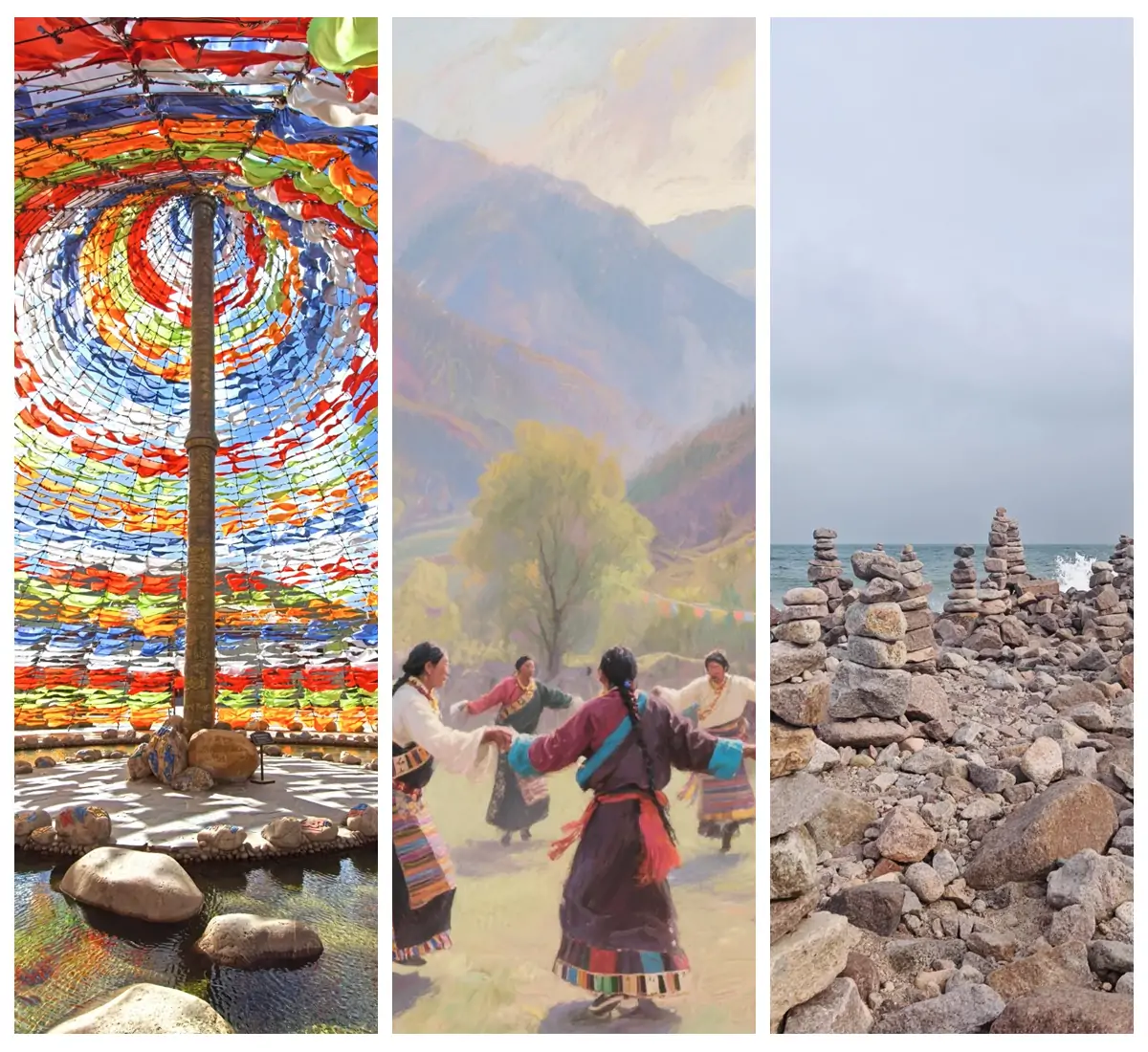
Temples
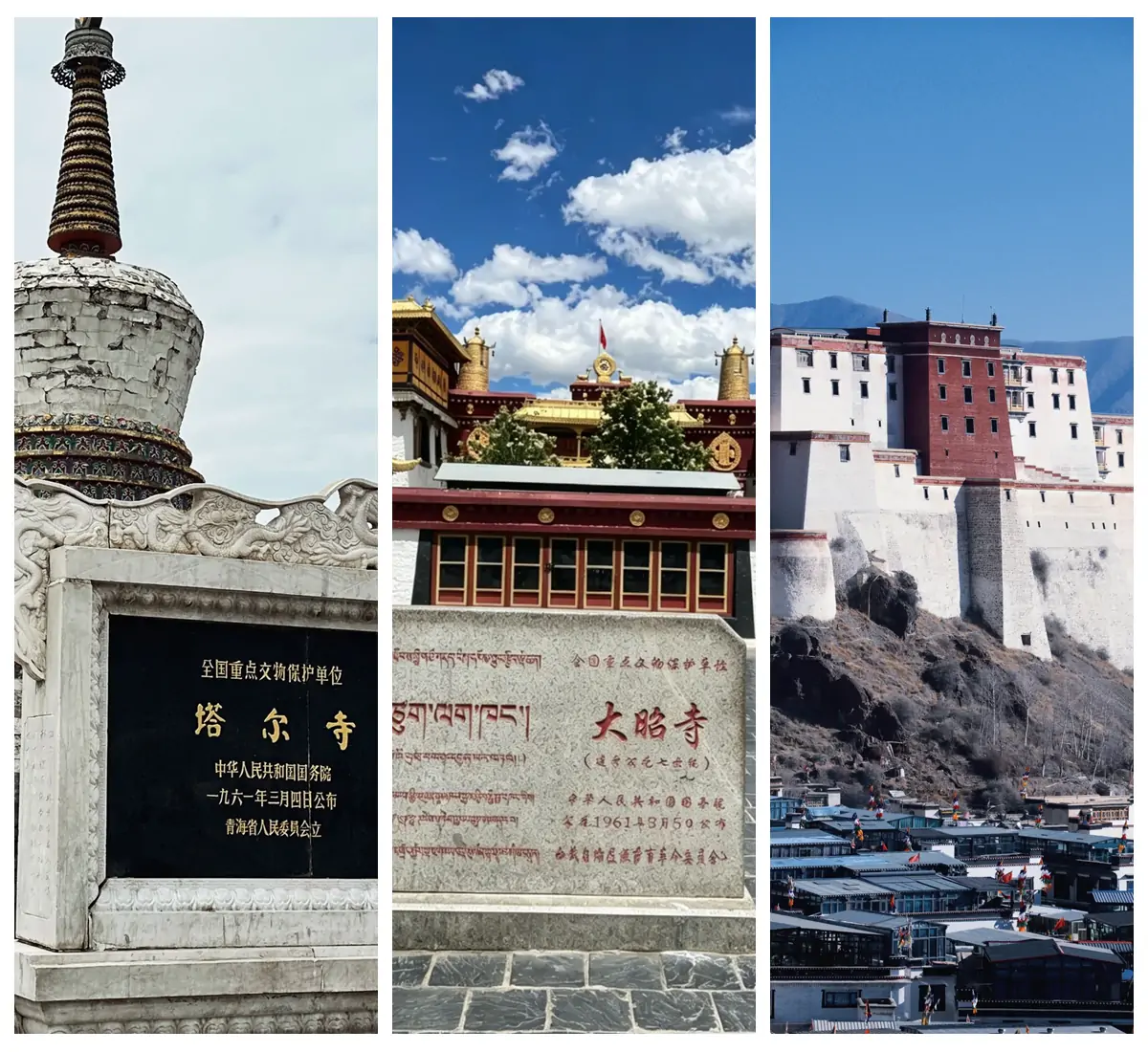
Numerous historically significant Tibetan Buddhist monasteries are distributed across the Qinghai Tibet Plateau. They are not only centers of religious activities but also important cultural and architectural heritage sites. Famous monasteries such as Kumbum Monastery, Jokhang Temple and Zashilunbu Temple in Tibet have hundreds of years of history and are renowned for their magnificent architecture, exquisite murals, thangka art, and solemn religious rituals.
Nomadic Life
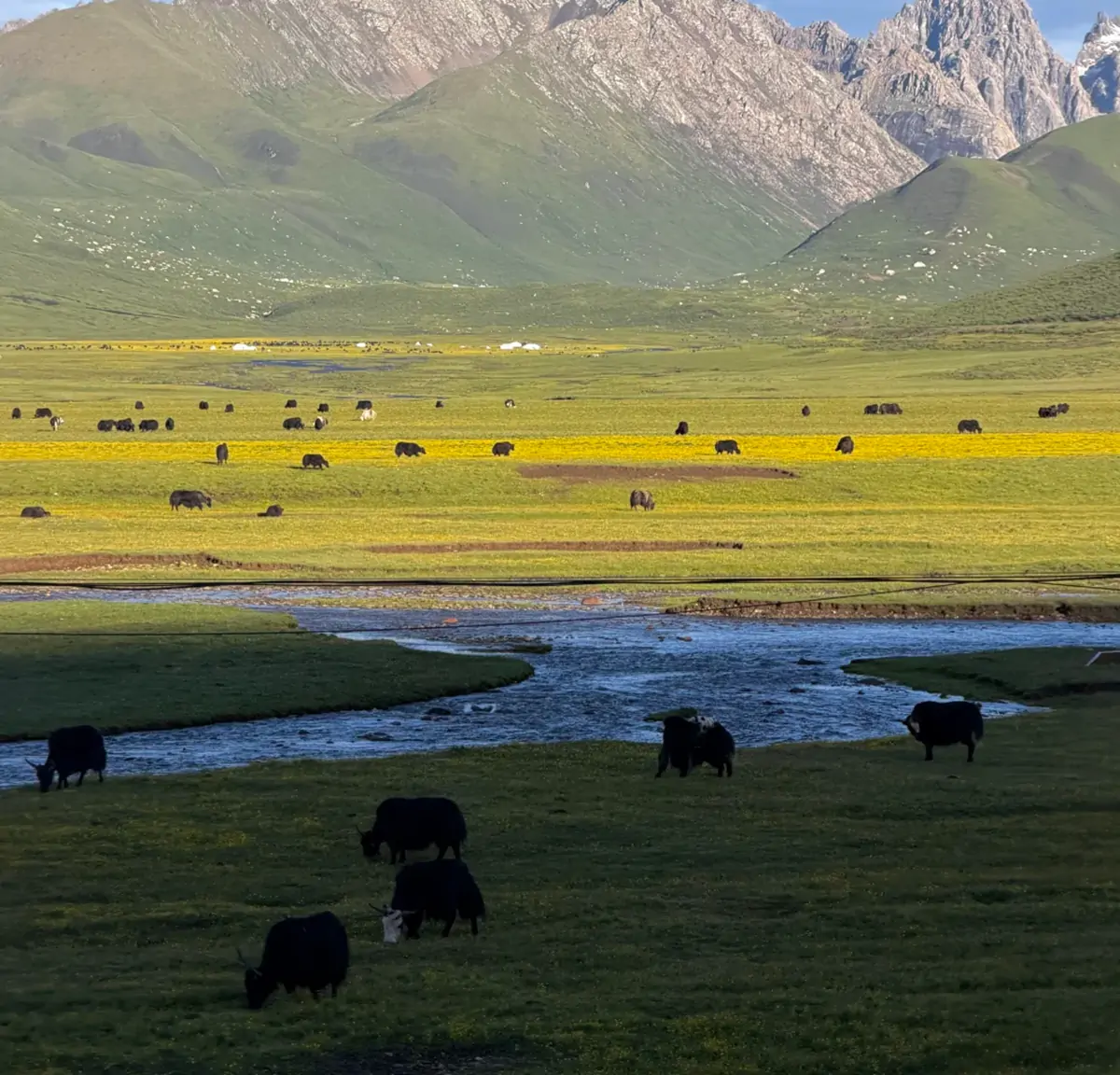
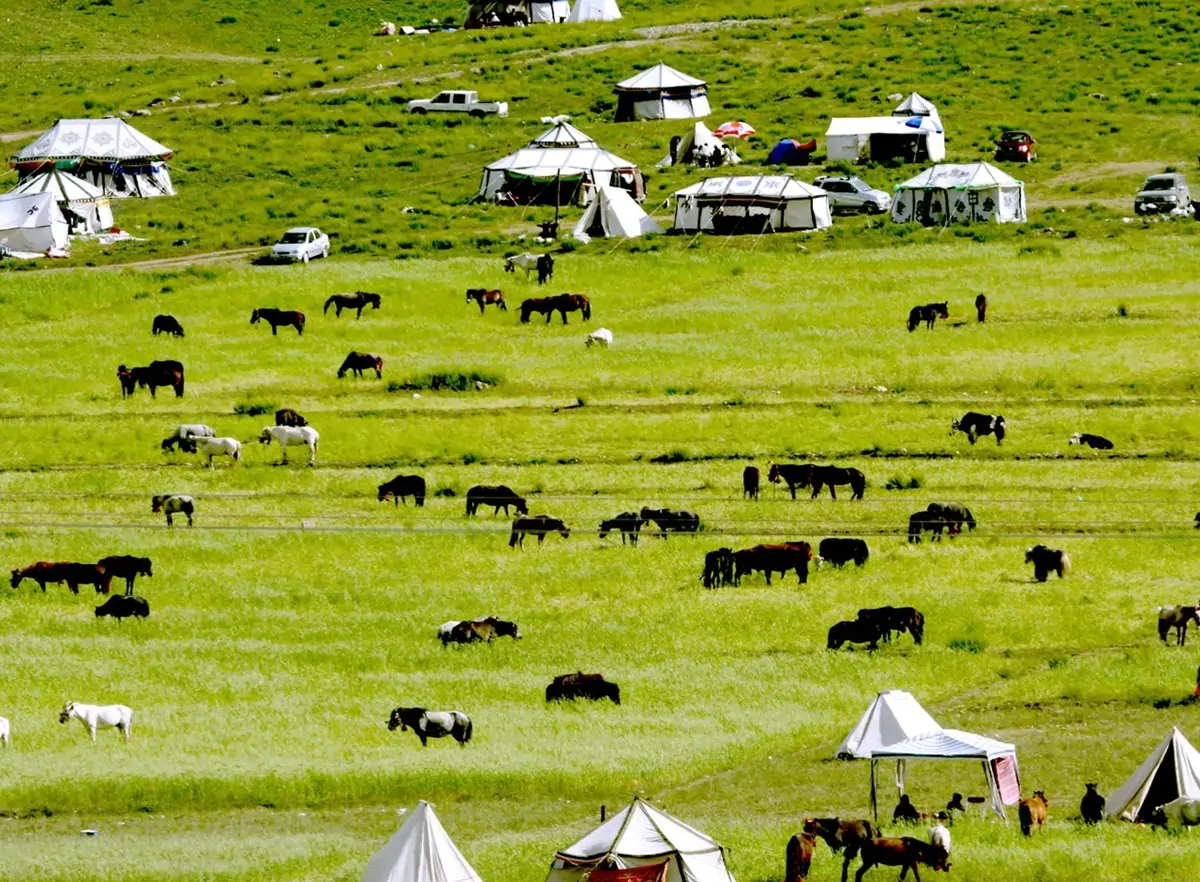
Nomadic culture is an important part of the Qinghai-Tibet Plateau. Many herders have lived for generations on vast cold grasslands, raising yaks, sheep, and goats for a living. They migrate pastures according to seasonal changes to adapt to grassland resources and climate conditions. Yaks are not only an important economic source but also a crucial guarantee for the daily life of plateau residents, providing meat, dairy products, fuel, and transportation. Today, with the continuous improvement of transportation and infrastructure, modern lifestyles are gradually integrated into nomadic areas. However, many regions still retain thick nomadic traditions, allowing tourists to experience authentic and unique plateau life up close.
Qinghai-Tibet Railway
The Qinghai-Tibet Railway is widely regarded as one of the most spectacular rail journeys in the world, offering a unique perspective to overlook the Qinghai-Tibet Plateau. This railway crosses vast high mountain meadows, snow-capped mountains, permafrost, wetlands, and remote wilderness areas, providing countless opportunities to capture stunning landscapes from the train or at selected stations along the way. When trains pass through protected areas, travelers may also spot native wildlife such as Tibetan antelopes, wild yaks, Tibetan wild asses, and black-necked cranes.
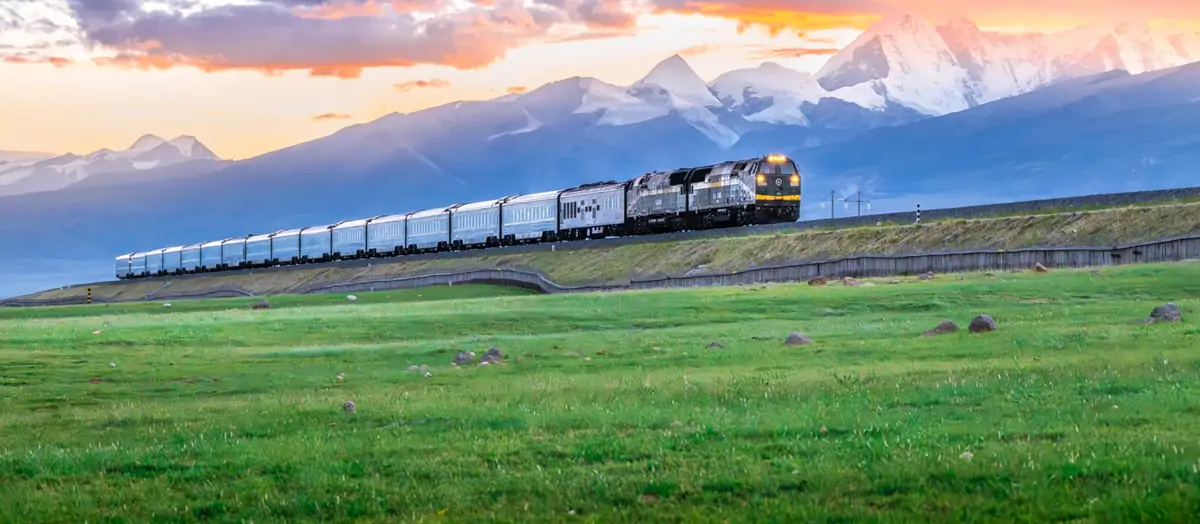
The best photography conditions typically occur in the early morning and late afternoon, when soft light enhances the dramatic scenery of the plateau. For photographers seeking to capture iconic landscapes and gain an unforgettable travel experience, the Qinghai-Tibet Railway stands as one of the finest ways to explore the 'Roof of the World'.
Conclusion
Traveling to the Qinghai-Tibet Plateau not only allows you to admire magnificent landscapes such as snow-capped mountains, lakes, and grasslands, but also enables you to deeply experience the rich local cultural heritage. Tourists can visit ancient temples to listen to chanting, pay visits to herder families to taste butter tea and tsampa, appreciate Tibetan songs and dances, ethnic costumes, and traditional handicrafts, and learn about the plateau lifestyle where humans live in harmony with nature.
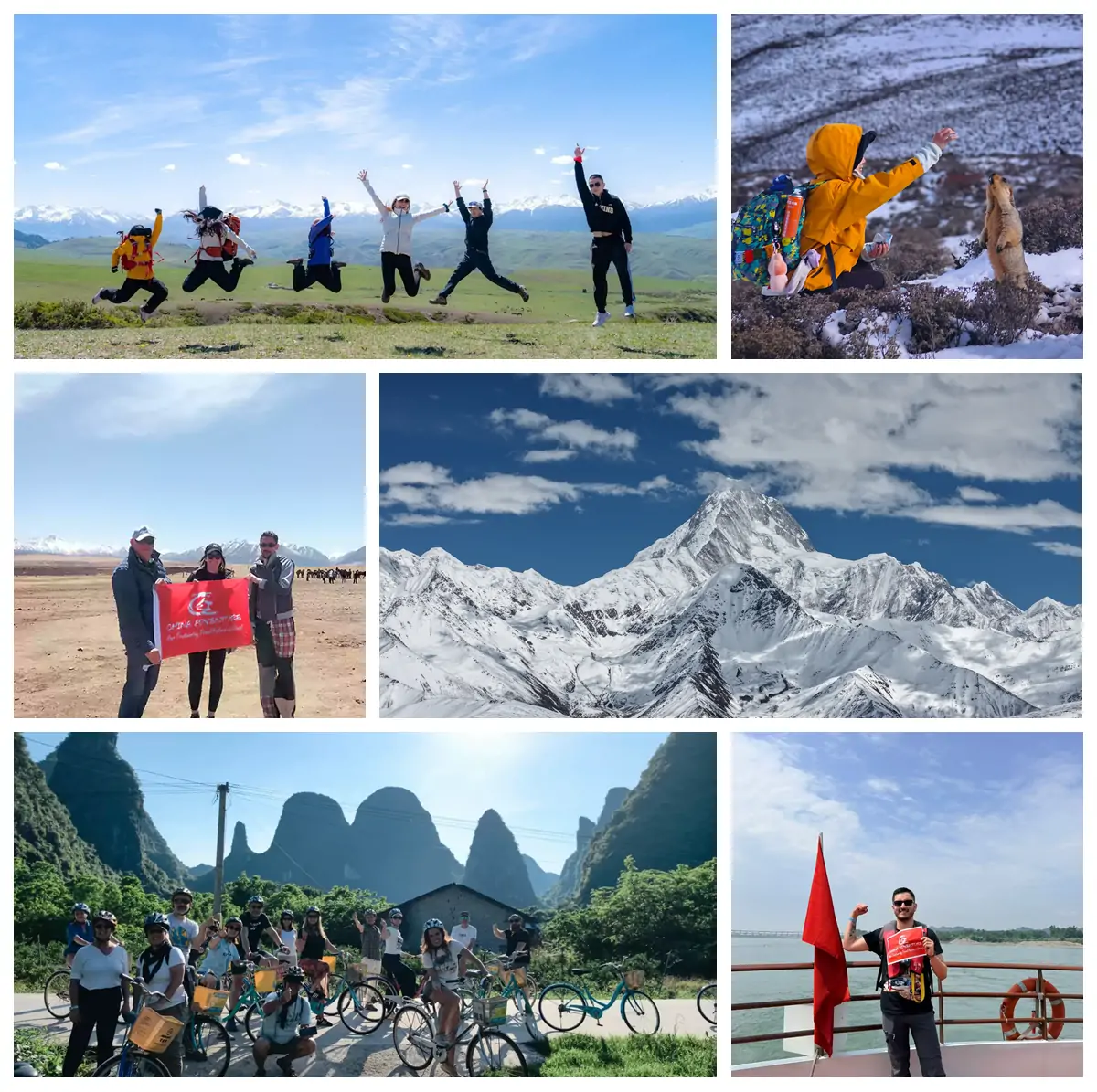
Join our tour group to experience local culture, gain a more comprehensive understanding of the Qinghai-Tibet Plateau, and contribute to promoting respect and protection for the local national culture, religious beliefs, and ecological environment.
Requently Asked Questions
When is the best time to visit the Qinghai-Tibet Plateau?
The optimal visiting period is from June to September, when temperatures are mild, roads are accessible, wildlife is active, and alpine meadows are at their most scenic. Spring and autumn offer fewer tourists and are also excellent times for photography.
Can one experience altitude sickness on the Qinghai-Tibet Plateau?
Most destinations are above 3,000 meters in elevation, so mild altitude sickness may occur. Rest plenty on the first day, stay hydrated, avoid strenuous activities, and ascend gradually to reduce the risk of high-altitude discomfort.
What wildlife can be seen on the Qinghai-Tibet Plateau?
The plateau is home to iconic species such as Tibetan antelopes, wild yaks, Tibetan foxes, Tibetan gazelles, black-necked cranes, rock sheep, and Himalayan marmots. Wildlife sightings vary by season; it's recommended to experience this with a knowledgeable local guide.
Is the Qinghai-Tibet Plateau suitable for photography beginners?
Yes. Many famous photography spots are easily accessible by road or train. Beginners can capture stunning landscapes, lakes, and wildlife; experienced photographers can join professional tours for more challenging opportunities.
Can foreign travelers visit the Qinghai-Tibet Plateau independently?
Most areas of Qinghai are open to international visitors without special permits. However, certain protected areas or border regions may have restrictions; check the latest travel regulations before departure.
What items should be brought when traveling to the Qinghai Tibet Plateau?
Pack layered clothing, sun protection, sunglasses, hiking shoes, a reusable water bottle, personal medications, and photography equipment. Weather changes rapidly at high altitudes, so warm clothing is necessary even in summer.
What are the best wildlife photography locations?
Qinghai Lake National Nature Reserve, Sanjiangyuan National Park, and Qilian Mountains are top-tier wildlife photography destinations, offering opportunities to photograph rare plateau mammals, migratory birds, and magnificent mountain scenery.
Is it advisable to join a photography tour group?
Professional photography tour groups significantly increase the chances of encountering wildlife, accessing prime photography spots at optimal times, and safely traveling in remote high-altitude areas, while benefiting from experienced local guides.