Zheduo Mountain Travel Guide
Planning to cross Zheduo Mountain on Highway 318? Check our practical travel guide with exact altitudes, scenic stops, entry fees, and high-altitude safety tips.
The First Pass of Kham — Zheduo Mountain
As a branch of the Daxue Mountains, Zheduo Mountain serves as an important geographical dividing line. With its highest peak reaching an altitude of 4,900 meters, it is the first high mountain that travelers must cross along the Sichuan-Tibet highway route, earning it the title "The First Pass of Kham."
The border region between Sichuan and the former Kham province, located in the eastern part of the Qinghai-Tibet Plateau, is spanned by numerous massive mountain ranges with continuous, permanently snow-capped peaks. The winding mountain road of Zheduo Mountain features endless sharp turns. The road twists back and forth in a shape that resembles the Chinese character "多" (meaning "many"), which aligns with the meaning of the word "Zheduo" in the Tibetan language, where it translates to "curved" or "winding."
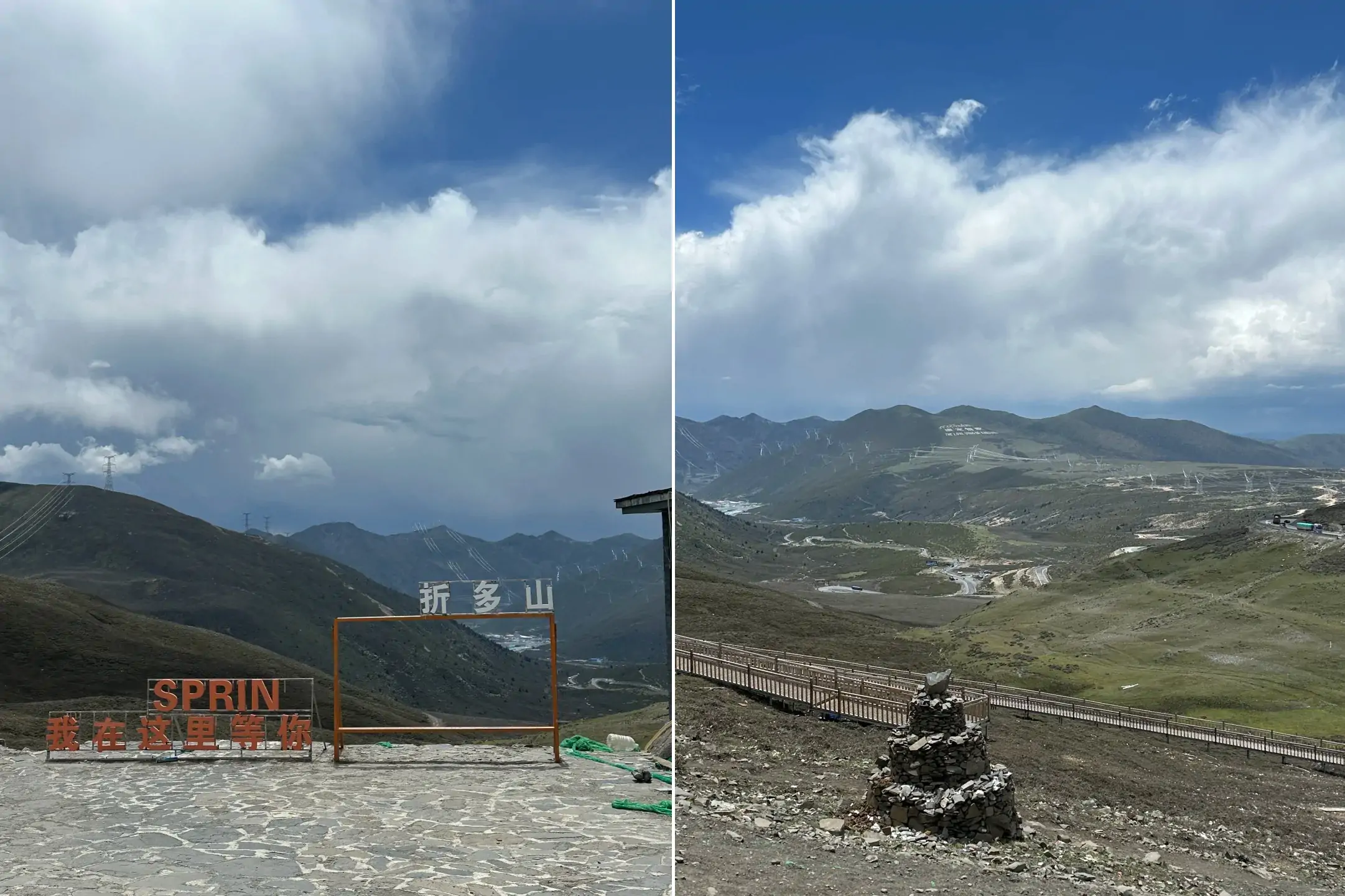
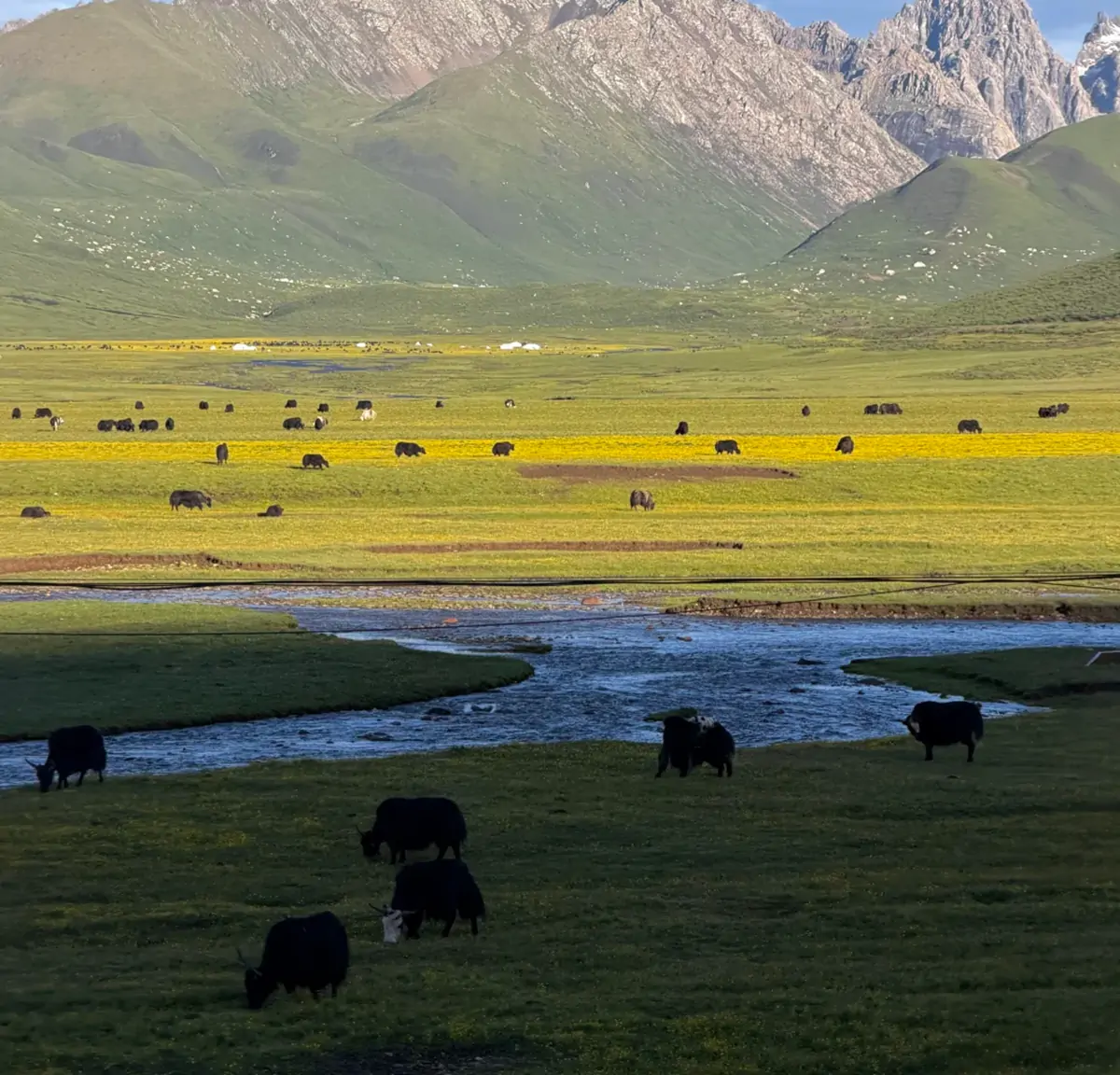
The terrain in the Zheduo Mountain region is characterized by high drops and steep slopes. Meltwater from the mountain ridges combined with rainfall forms small streams that flow along the valleys, washing over the mountain bodies on both sides and creating a landscape scored with deep ravines. Zheduo Mountain is also a habitat for native wildlife, including yaks, Tibetan antelopes, and snow pigeons.
Location
Zheduo Mountain is located in the western part of Kangding County, Garze Prefecture, Sichuan Province. It is a major component of the Daxue Mountain range within the Hengduan Mountains system. The main peak reaches an elevation of 4,962 meters, standing as the first major high-mountain barrier along National Highway 318 (G318). The geographic coordinates of the mountain range are 30°04′26.88″N, 101°48′14.84″E.
History & Culture
Zheduo Mountain serves as the cultural boundary between Han Chinese and Tibetan civilizations, the first dangerous pass along the ancient Tea Horse Road, and a spiritual symbol of the Sichuan-Tibet highway route. Historically, it was the mandatory gateway to enter the Tibetan region, and today it remains a vibrant intersection of Tibetan faith and culture.
Since the Tang and Song dynasties, caravan horse trains (Mabang) transported tea and salt into Tibet, returning with furs and medicinal herbs. During the Qing Dynasty, the Sichuan Chronicle explicitly documented this route as the "Main Pass to Tibet south of Luqiao." During the Tubo Kingdom period, it already functioned as a border for cultural exchange between the Han and Tibetan peoples. The Ming and Qing dynasties strengthened the management of this frontier zone, establishing the areas east of Zheduo Mountain as the Dadu River basin (characterized by Han-Tibetan exchange) and the areas to the west as the pure Kham Tibetan region.
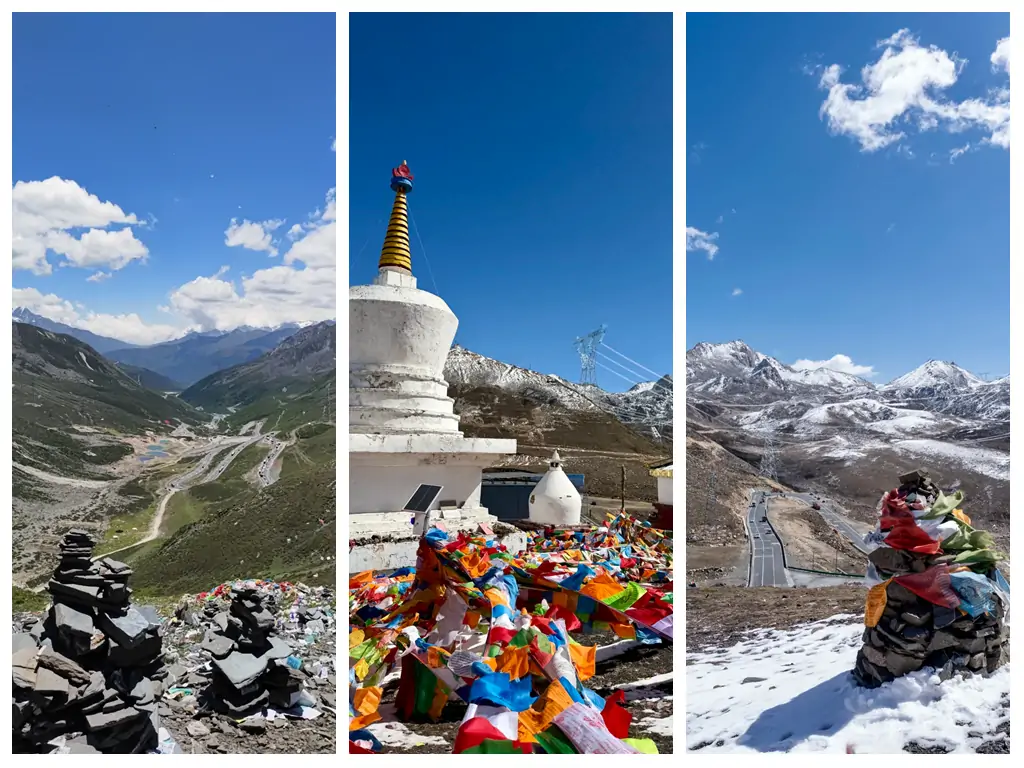
In 1950, soldiers of the 18th Army joined forces with local civilians to construct the road. In 1954, the Sichuan-Tibet Highway (National Highway 318) officially opened to traffic, completely ending the history of reliance on human backs and pack horses. Today, the stone tablet at the mountain pass inscribed with "Heading West Past Zheduo" marks a clear transition point for both geography and culture.
Zheduo Mountain is not only a popular landmark for modern cyclists but also a core symbol of Sichuan-Tibet culture. Across the slopes, mountain ridges, and river valleys, five-color prayer flags flutter everywhere in the wind, either printed with sacred texts or illustrated with symbolic patterns. Buddhism provides solace to the souls of the local people, and the prayer flags carry their hopes forward.
Attractions Guide
Zheduo Mountain Pass / Snow Viewing Platform
Location: Kangding, Garze Prefecture.
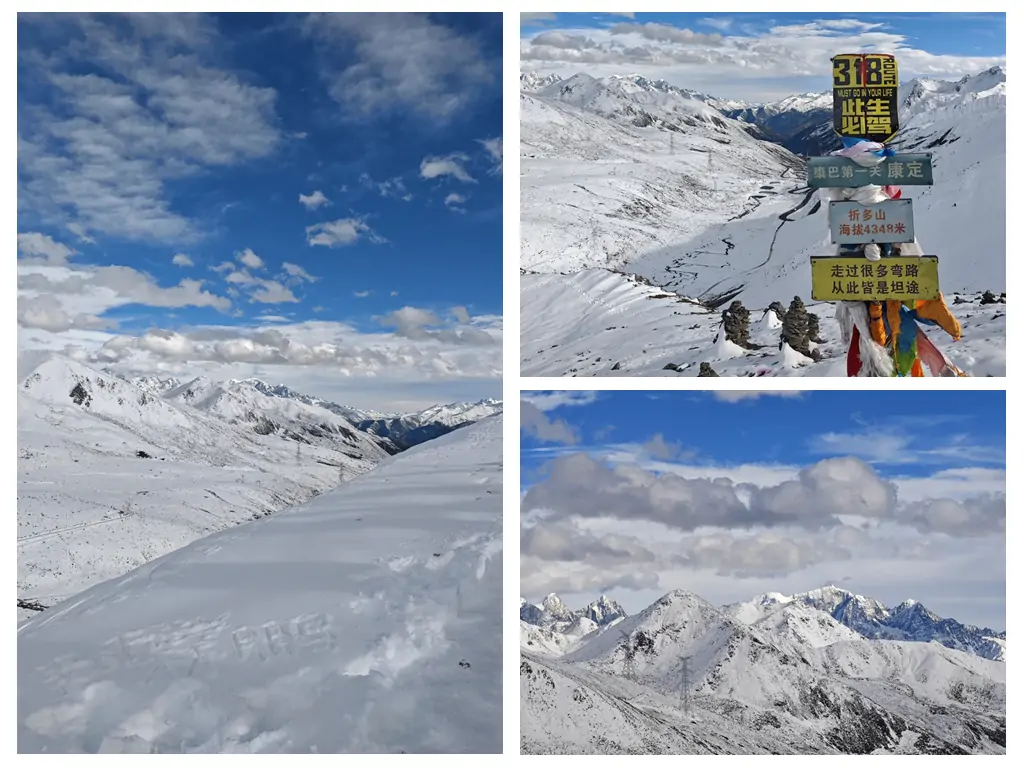
It is a mandatory mountain pass along the G318 Sichuan-Tibet highway route. Sitting at an altitude of 4,298 meters, it acts as the cultural dividing line between the Han and Tibetan regions and is widely known as "The First Pass of Kham."
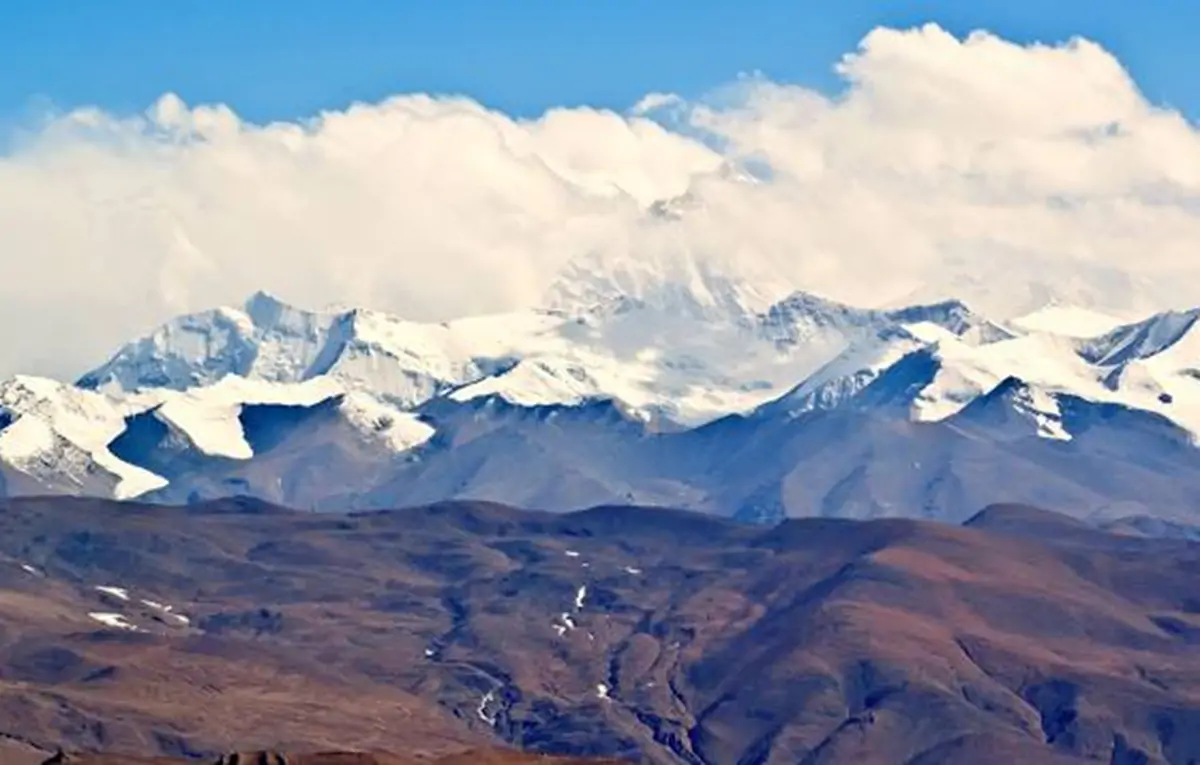
The Snow Viewing Platform is the core observation area at the pass. It is the very first viewing platform you encounter while driving up Zheduo Mountain, offering the absolute best vantage point to appreciate the magnificent snow mountain scenery. Here, the biting wind carries the prayers of the fluttering flags, while the silver peaks of the Minya Konka range stretch out beneath you, creating a vast sense of wilderness amidst the rolling sea of clouds.
Nine Curves and Eighteen Turns Viewing Platform
Location: Situated along the middle section of the Zheduo Mountain winding road, directly adjacent to National Highway 318.
This is the premium viewpoint to overlook the full "Z"-shaped layout of the mountain highway. The stacked layers of the mountain road wrap around the peaks like silver serpents. When combined with the distant snow peaks and sea of clouds, it is a must-visit spot for self-driving travelers and photography enthusiasts.
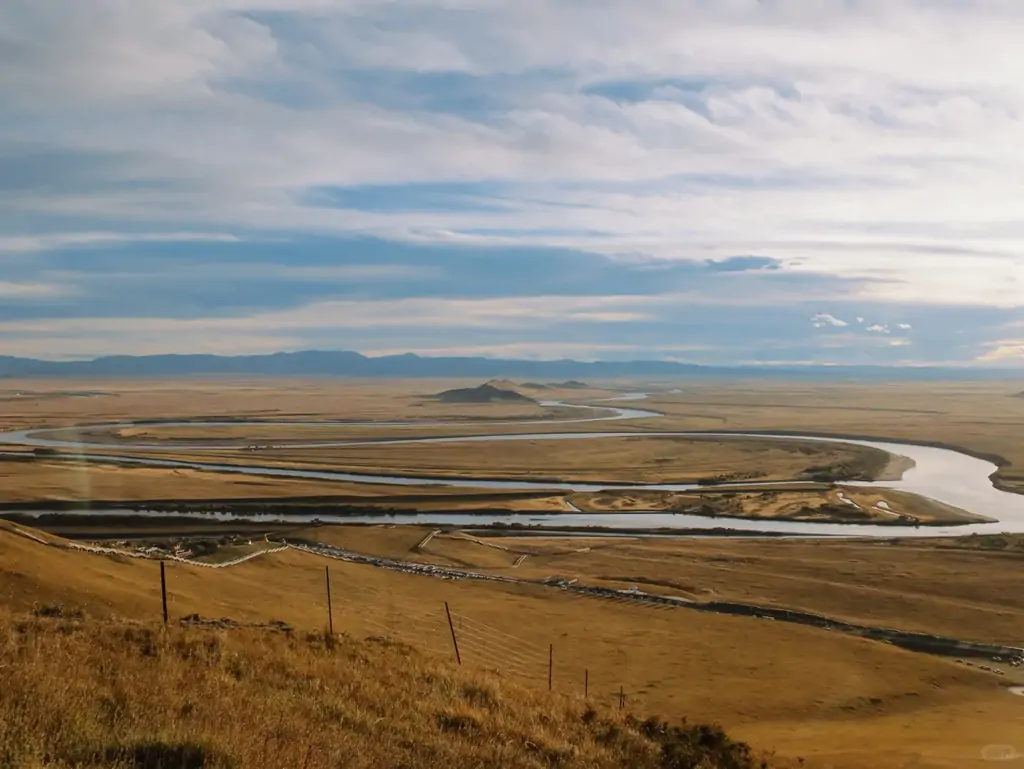
Mugecuo (Kangding Love Song Scenic Area)
Location: Situated in Yala Township, north of Kangding City, Garze Tibetan Autonomous Prefecture, about 17 kilometers from the downtown area.
In 2010, it was rated as a National AAAA-level tourist attraction, making it the first 4A scenic spot in Kangding. Sitting at an altitude of around 3,600 meters, its primary sights include Azalea Valley, Fangcao Flat, Seven-Color Sea, Yaochi Boiling Spring, Mugecuo (Wild Man Sea), and Red Sea Grassland. The surrounding area also features multiple high-altitude alpine lakes and natural hot springs.
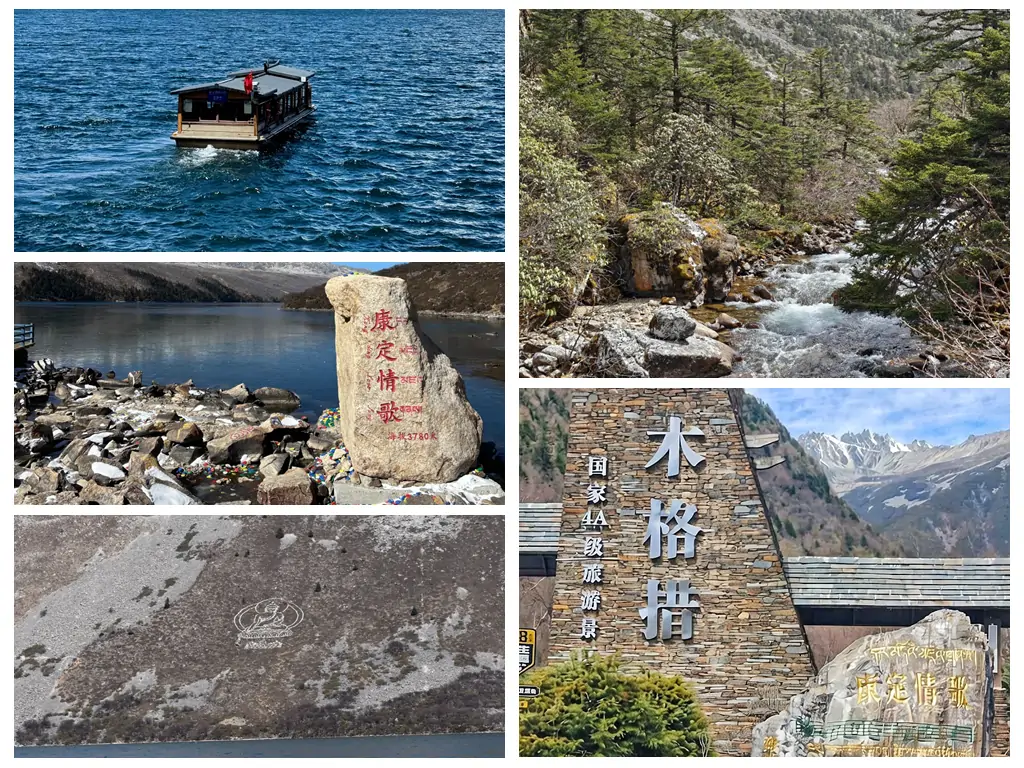
Zhedoutang Village
Location: Situated at the foot of Zheduo Mountain, 13 kilometers west of Kangding City, with National Highway 318 running directly through the village.
During the reign of Emperor Kangxi in the Qing Dynasty, this location was already operating as the very first post station when "heading west out of the Lu pass." After the Sichuan-Tibet Highway opened in 1954, Zhedoutang gradually evolved into a traditional Tibetan village along the roadside. The village maintains a tree coverage rate of over 75% and boasts natural alpine hot spring resources. Nestled deep within the mountains, these hot springs allow visitors to soak while viewing the snow peaks and traces of the ancient Tea Horse Road. Local specialties include Kangding red-skin raddish, Kangding turnip, local yak meat, "Maiqiu" smoked beef, and braised chicken with konjac.
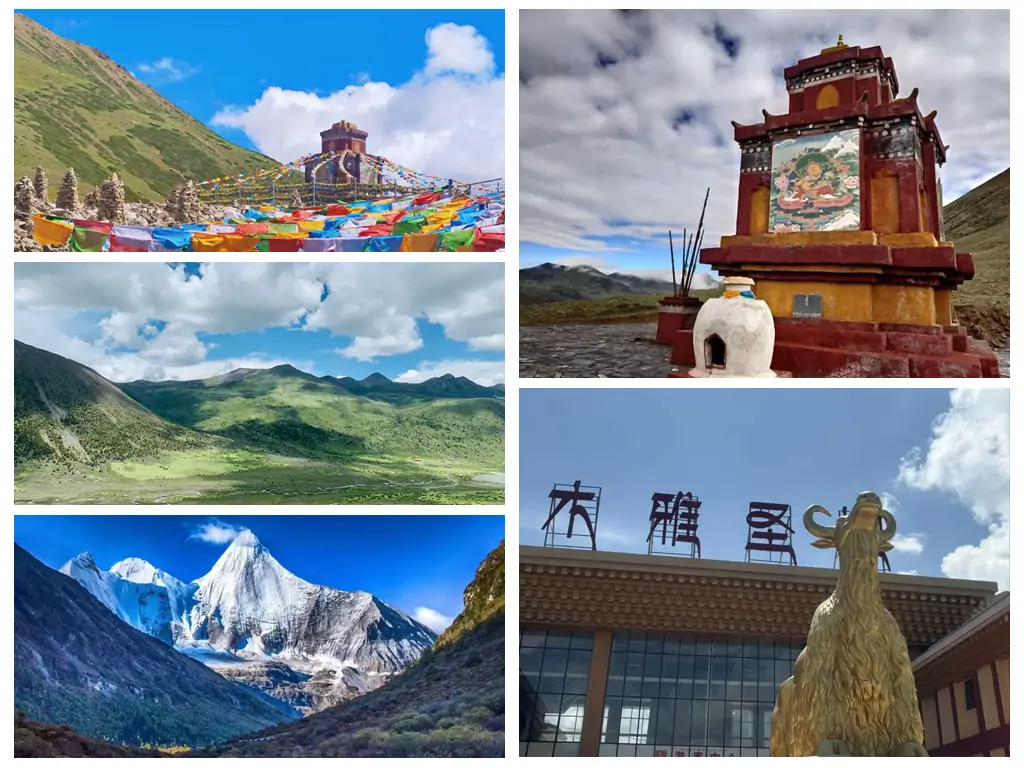
Muya Sacred Mountain (Muya Shengdi)
Location: Located at Muya Xinkang, Gonbuka No. 2 Bridge along National Highway 318, on the western slope of Zheduo Mountain in Kangding City.
The scenic area covers an area of 80 square kilometers and sits 13 kilometers away from Kangding Airport. It is the first dedicated tourism zone themed around the Tibetan Muya culture. The park seamlessly integrates natural landscapes including alpine meadows, snow-capped mountain groups (with distant views of Mount Gongga), wetlands, and rivers. Historically, this territory belonged to the ancient Muya Kingdom and served as a vital passage for the Tea Horse Road connecting the inner and outer frontier passes.
How to Get There
By Flight: After arriving at Kangding Airport, there are airport shuttle buses that head toward Zheduo Mountain. (Note: Flights are limited during the winter season, so it is highly recommended to plan your schedule in advance.)
By Self-Driving: Drive from Kangding Downtown via the G318 National Highway to the Zheduo Mountain Pass. The drive takes about 1 hour. We suggest leaving early in the morning, as the parking lot fills up quickly during peak seasons.
By Carpooling / Chartered Car: There is no direct public transportation operating from Kangding to Zheduo Mountain. Carpooling costs approximately 50 RMB per person, while chartering a private car costs around 200 RMB per vehicle.
By joining a Tour Group: A tour group will provide a pre-planned itinerary and ensure appropriate safety and protective measures are in place for the high-altitude environment.
You could also join one of our tours to visit us:
- Western Sichuan Loop 4 Days Tour
- Chengdu to Lhasa Overland Epic 10 Days Adventure via G318
- Classic Western Sichuan Loop 6 Days Overland Tour
- Mt.Konka Holy Pilgrimage 6-Day Journey
Ticket & Admission Information
Zheduo Mountain
Open 24/7 for free.
The parking fee at the pass is generally 10 RMB per vehicle.
No advance reservation is needed; you can head straight to the site.
Mugecuo
Peak Season (April to November): 195 RMB per person
Off-Peak Season (December to March): 165 RMB per person
Muya Sacred Mountain
Peak Season (April to October): 150 RMB per person
Off-Peak Season (November to March): 110 RMB per person
Note: Ticket prices for both scenic spots include the entry fee and the mandatory sightseeing bus inside the park.
Discount Policies
Free admission for children under 6 years old and under 1.2 meters in height.
Half-price tickets (approximately 95 RMB) are available for active students and seniors aged 60 to 65 (excluding 65).
How to Buy Tickets
Online Booking: Search for the "Mugecuo Scenic Area Official Account/Mini-Program" or "Muya Sacred Mountain Scenic Area" on WeChat. Select your desired ticket type, fill in your ID card or passport details, and complete the online payment.
On-site Booking: Tickets for Mugecuo can be purchased at the tourist center windows or self-service ticket machines. Tickets for Muya Sacred Mountain can be purchased at the ticket hall near the park entrance.
If you join our tour group, we will assist you with all ticket booking arrangements.
Email: [email protected] WhatsApp:+86 15347723823 , ++86 15347723823
Best Time to Visit
Spring (April to May): The weather is mild and moist, and the wild azaleas begin to bloom. There are relatively fewer tourists during this period, allowing for a more comfortable and relaxed travel experience.
Autumn (September to October): The temperature is pleasant, featuring warm days and cool nights. The forests along the route turn a vibrant golden yellow, creating a sharp, beautiful contrast against the snow-capped peaks.
Suggested Itineraries
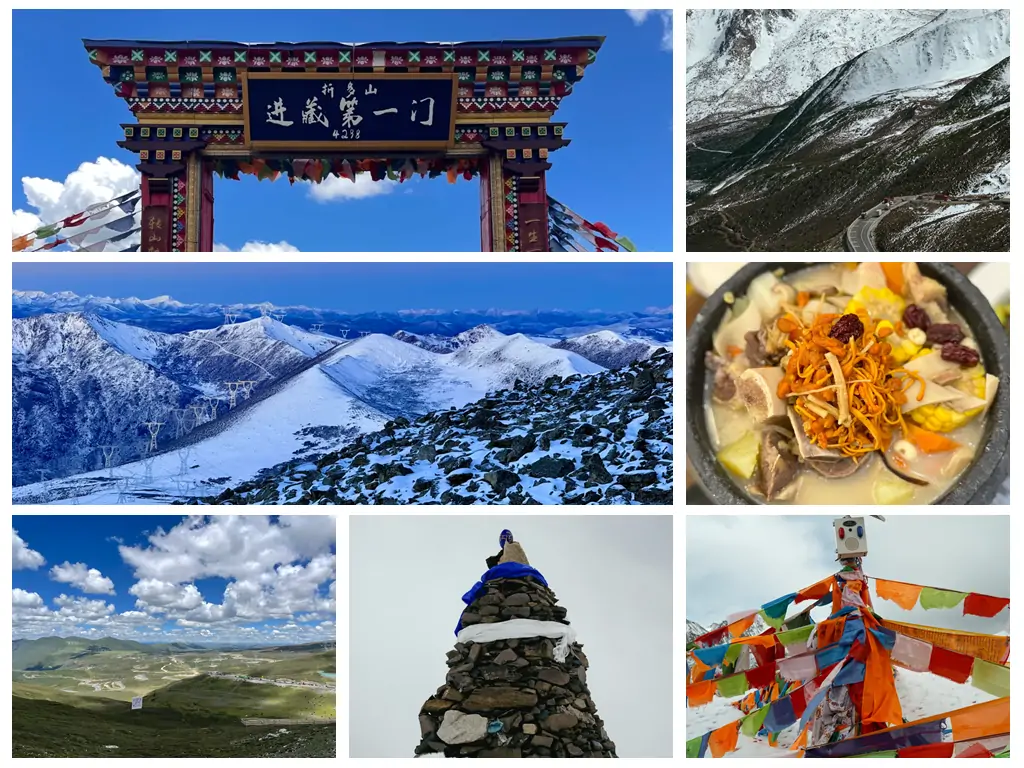
Route Option 1: Kangding → Zheduo Mountain Pass → Viewing Platforms → Xinduqiao
Route Option 2: Mugecuo → Zhedoutang Village → Muya Sacred Mountain
Practical Travel Tips
The wind at the Zheduo Mountain Pass is exceptionally strong; make sure to wear windproof clothing and keep warm.
The altitude of Zheduo Mountain is quite high. We strongly advise against engaging in strenuous exercise or running.
The ultraviolet (UV) radiation is intense in high-altitude plateau areas, so proper sun protection is essential.
It is recommended to limit your stay at the mountain pass to around 40 minutes to avoid developing altitude sickness.
Conclusion
Crossing the Zheduo Mountain Pass at 4,298 meters means you have successfully conquered the First Pass of Kham! The winding roads of the Nine Curves and Eighteen Turns reach straight toward the sky, while countless prayer flags sway in the mountain wind beneath a rolling sea of clouds and continuous snow peaks. Stepping over this ridge brings you directly into the sacred Tibetan region, offering endless vistas of Western Sichuan. Every view feels like a paradise on earth. Follow the road, head toward the mountains, and experience the pure wilderness unique to the high plateau at Zheduo Mountain.
FAQs
Q: How much is the ticket for Zheduo Mountain? Do I need a reservation?
A: Zheduo Mountain is completely free to enter and does not require an admission ticket or any advance reservation. You only need to pay a 10 RMB parking fee at the mountain pass viewing platform. The area is open 24/7 all year round, making it one of the must-visit free alpine attractions along the Western Sichuan loop.
Q: What should I keep in mind when visiting Zheduo Mountain?
A: Due to the high altitude of Zheduo Mountain, you should prepare proper windproof clothing, sun protection, and sunglasses. The weather on the plateau changes rapidly and can bring sudden strong winds or snow. Please respect local Tibetan customs by avoiding stepping on prayer flags or Mani stone mounds, and remember to pack out your trash when leaving.
Q: What is the altitude of Zheduo Mountain, and will I experience altitude sickness?
A: The mountain pass sits at an altitude of 4,298 meters. As the first high-altitude mountain pass on the route into the Tibetan area, most people may experience mild symptoms of altitude sickness. When you arrive, remember to slow down your pace, avoid running or jumping, keep yourself warm, and prepare a portable oxygen cylinder just in case.
Q: What are the must-see landmarks at Zheduo Mountain?
A: The essential stops include taking a photo with the 4,298-meter altitude marker tablet, visiting the traditional Tibetan white stupa and the massive prayer flag clusters, and looking down at the winding loops of National Highway 318.
Q: When is the best time to visit Zheduo Mountain?
A: June to October is the optimal travel window. The weather is generally clear and stable, the grasslands turn lush and green, and visibility is excellent. During winter and spring, heavy snow and dense fog often lead to poor road conditions. Traveling in summer and autumn ensures a safer and much more comfortable viewing experience.
Q: What are the local food specialties to try around Zheduo Mountain?
A: There are six local dishes highly recommended for travelers: hot yak meat pot, traditional butter tea (savory flavor), Tibetan noodles, tsamba/barley cakes, Kangding starch jelly, and matsutake mushroom chicken stew. These foods are excellent for warming up your body and helping you cope with the high altitude.